If your curls have started to feel heavy, shapeless, or like they have a mind of their own, layers might be exactly what your routine is missing. The right layers do more for curly hair than almost any other cutting technique. They lift the weight that drags ringlets flat, they let your natural curl pattern spring back to life, and they give shorter pieces around your face room to move. Whether you’re 42 and easing into a lower-maintenance routine, 55 and craving more volume, or 68 and simply want your curls to look intentional rather than tired, there’s a layered curly cut here for you. Go ahead and bookmark this collection now — you’ll want to come back to it again and again, the same way readers keep returning to my guide on natural gray hair over 50 for styling inspiration. Let’s get into eighteen of my favorite curly layered looks.
Long Layered Curls with Face-Framing Pieces

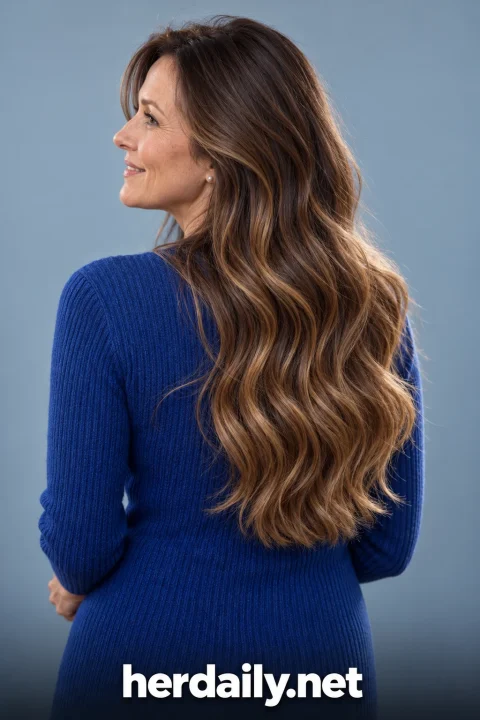
Long curls carry a lot of weight, and without layers they can pull into one heavy shape that hides your natural curl pattern. Cutting long, face-framing layers lightens the ends so each ringlet has room to bounce and coil the way it’s meant to. I love this look for women who aren’t ready to give up length — it sits right alongside my other favorite over 40 long hairstyles for anyone who wants length with real movement. Ask your stylist to keep the layers long and gradual so the silhouette stays soft rather than choppy.
Shoulder-Length Curly Shag

The shoulder-length shag is one of the most popular cuts right now, and curly hair takes to it beautifully. Feathery, textured layers throughout the crown and sides add lift at the root while keeping the overall shape loose and undone. It’s a fantastic wash-and-go option for anyone juggling a busy schedule. Pair it with a lightweight curl cream so the layers separate instead of clumping together.
Curly Layers with Curtain Bangs

Curtain bangs split down the middle and sweep off the face, and on curly hair they curl right into the rest of your layers instead of sitting apart from them. This combination softens the forehead and adds a face-framing effect without committing to a full fringe. I recommend this to clients who want a subtle refresh rather than a dramatic change. A quick diffuse-dry keeps the bang pieces defined alongside the rest of your curls.
Short Curly Layered Bob

A layered curly bob is endlessly flattering because the layers do the heavy lifting — literally. Removing bulk from the interior lets each curl spring up and out instead of weighing down into a triangle shape. This length also sits at a sweet spot: short enough to feel fresh, long enough to still pull back on humid days. I find this is one of the easiest curly cuts to maintain between salon visits.
Curly Layers with Balayage Highlights

Layers and balayage were made for each other on curly hair, since hand-painted color naturally follows the curl’s twists and turns. The layers give the highlights somewhere to land, so you see dimension in every ringlet rather than just at the ends. This is a gorgeous option if you’re craving warmth around your face without a full-color commitment. Ask for the balayage to be placed a bit higher than usual so it reads clearly through shorter curl layers.
Voluminous Curly Layers for Fine Hair
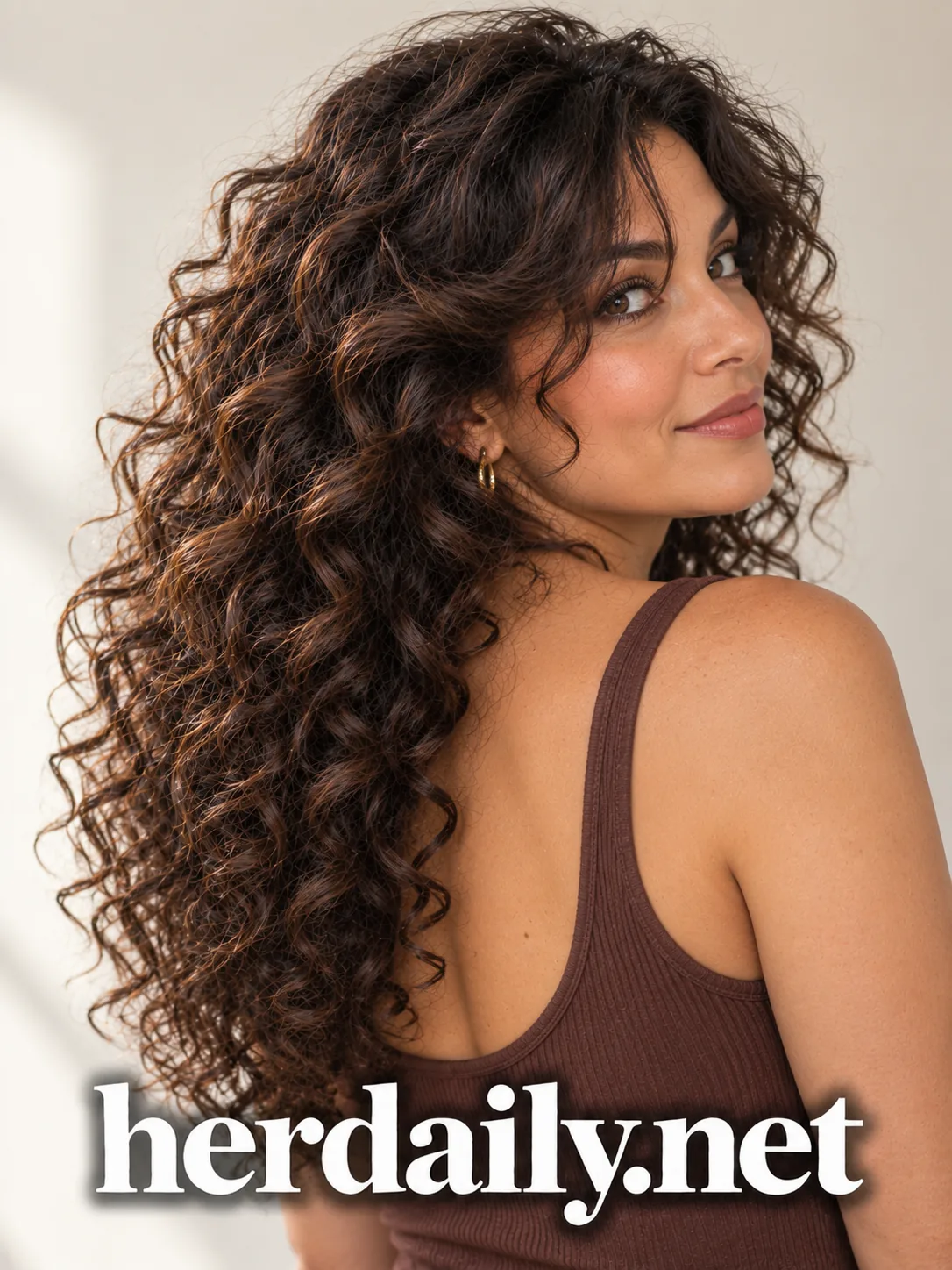
Fine, curly hair often looks thinner than it actually is because the strands don’t have enough layering to create lift. Short, strategic layers cut throughout the crown trick the eye into seeing far more volume and density. I use this technique constantly on clients whose curls have started to feel thinner with age. Finishing with a volumizing mousse before diffusing locks the extra lift in place.
Curly Layers with Side-Swept Bangs
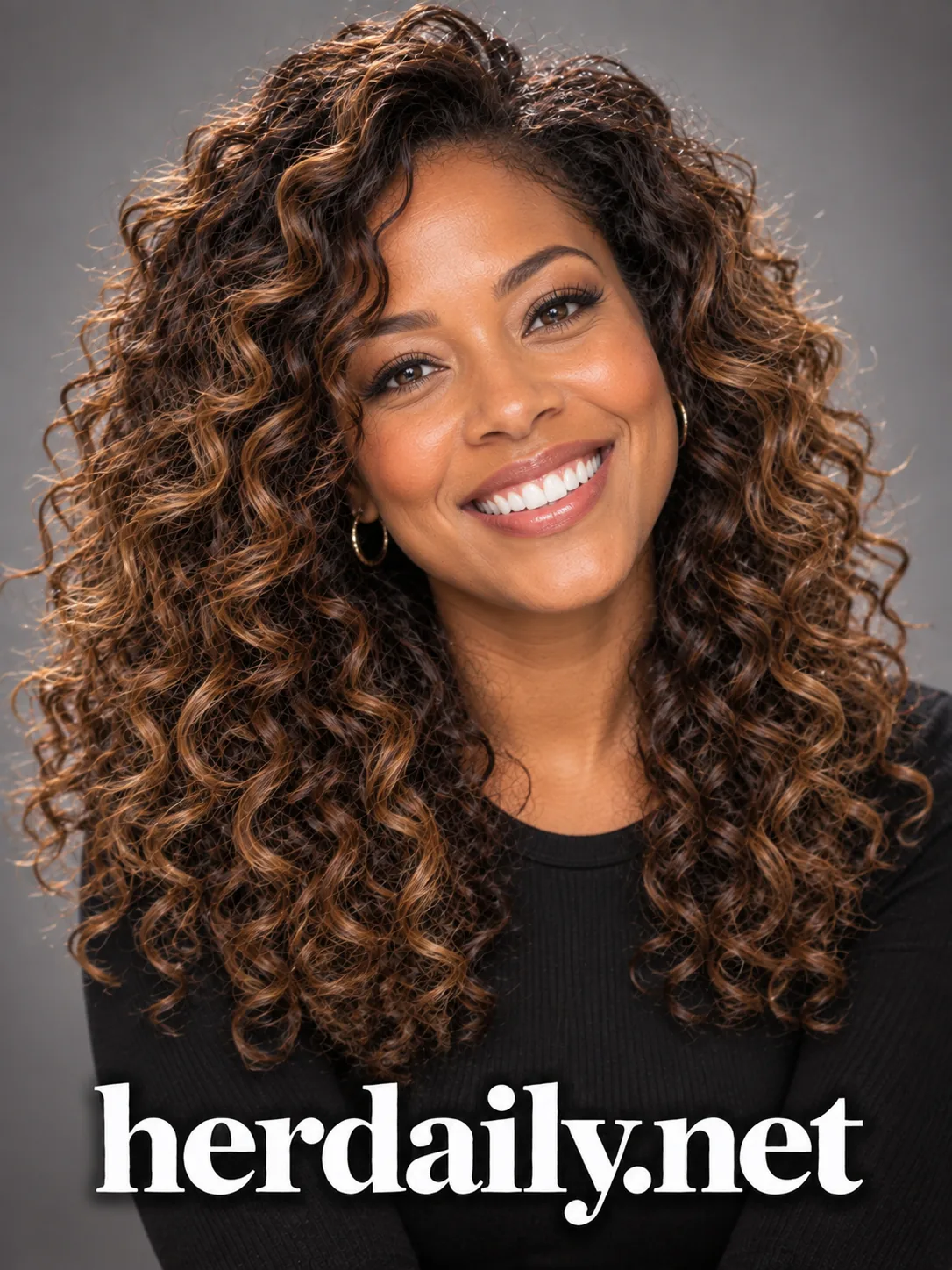
Side-swept bangs are a gentler alternative to a full fringe, and they blend seamlessly into long layers on curly hair. The angled length skims the brow bone instead of covering it, which keeps the style feeling polished rather than fussy. This is one of my go-to recommendations for anyone wanting to soften a square or angular face shape. Curl the bang pieces around a small-barrel wand if they tend to fall straighter than the rest of your hair.
Medium-Length Curly Layers with Highlights
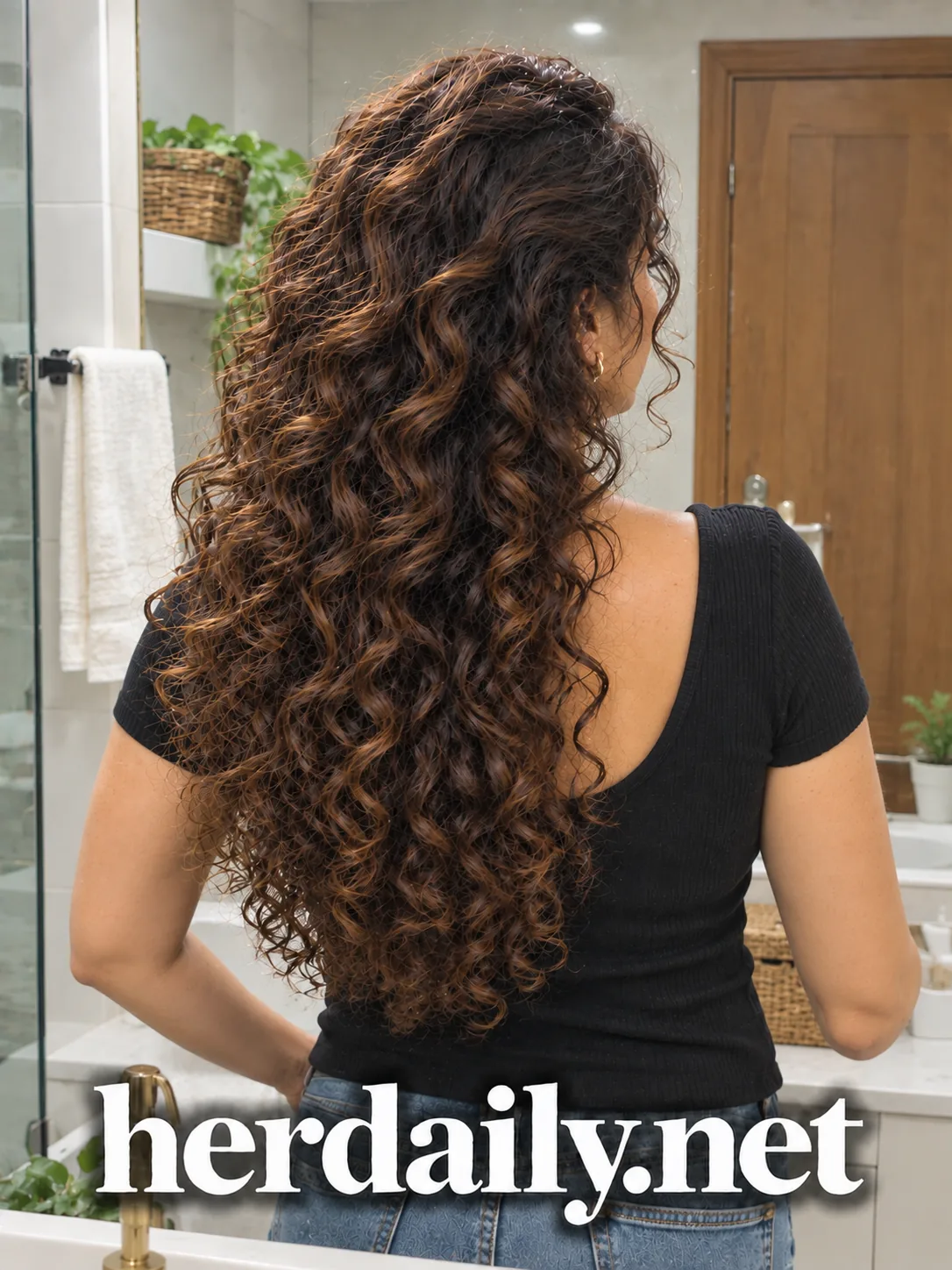
Medium length is one of the most forgiving lengths for curly layers — long enough to show off movement, short enough to stay manageable. Adding subtle highlights throughout the layers catches the light every time your curls bounce. I recommend this combination to clients transitioning out of a longer style who still want plenty of texture. It photographs beautifully, which makes it a favorite for anyone building out a board of go-to looks.
Curly Pixie with Soft Layers
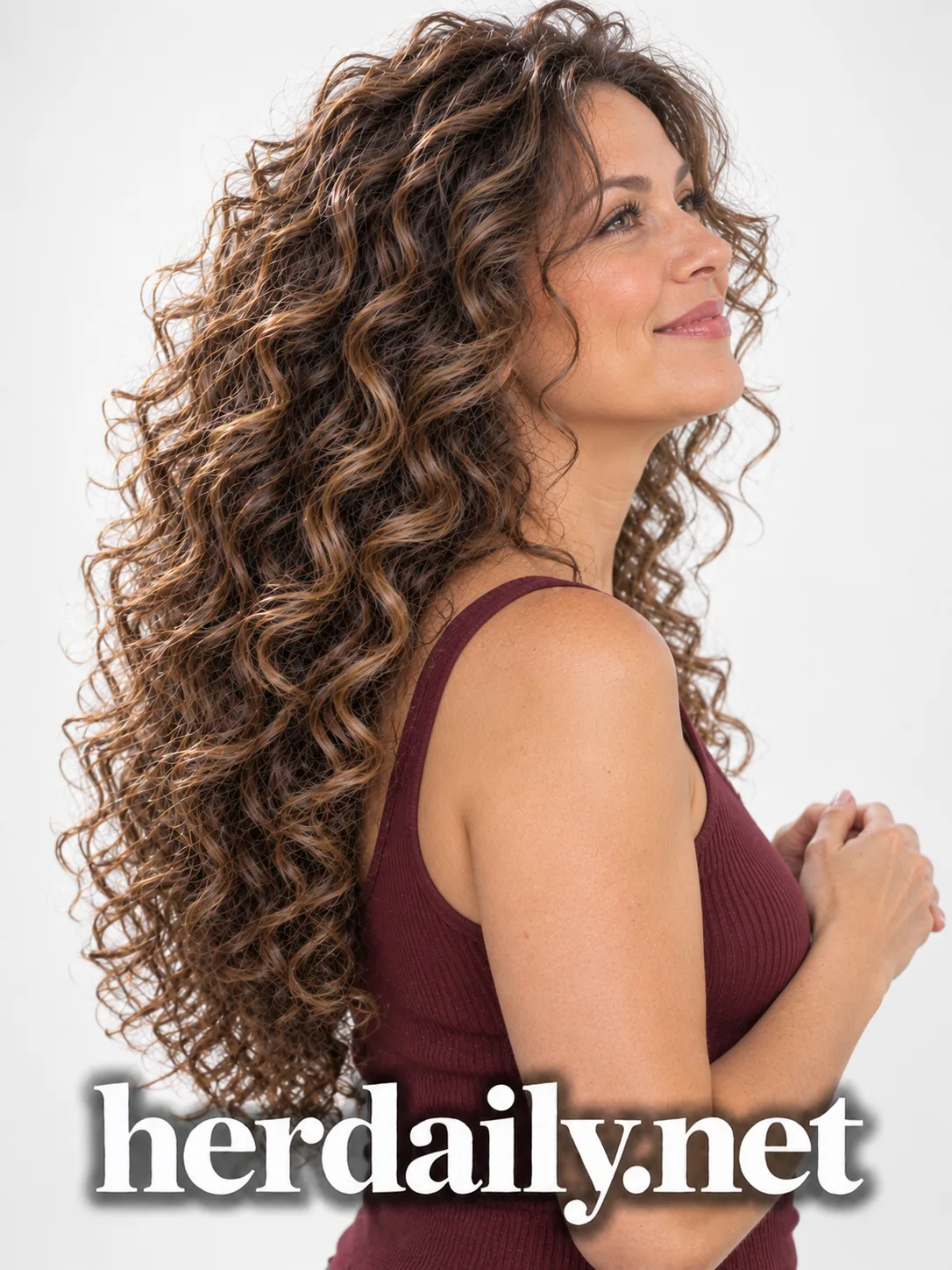
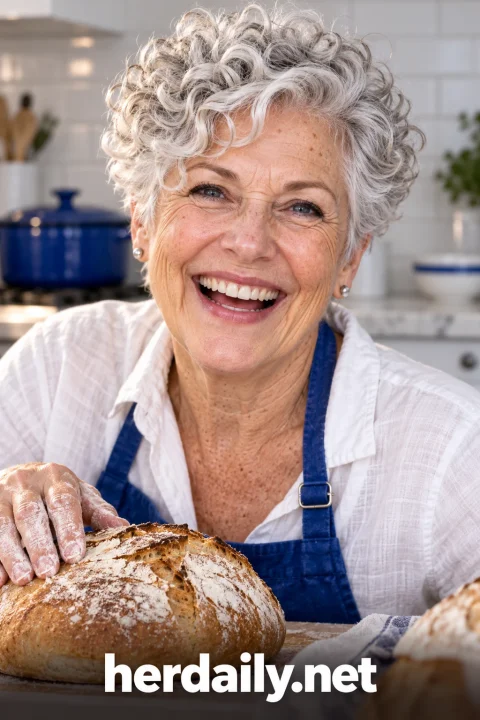
A curly pixie is bold, but softening it with layers keeps it from looking severe. The layers let curls sit close to the head in some spots and lift dramatically in others, creating shape instead of a uniform poof. It’s one of the most low-maintenance cuts I recommend, and it pairs beautifully with the kind of texture you’ll find throughout these black hair short cuts if you’re curious about even more cropped options. This cut also tends to age beautifully as texture changes over time.
Long Curly Layers with a Silver Blend

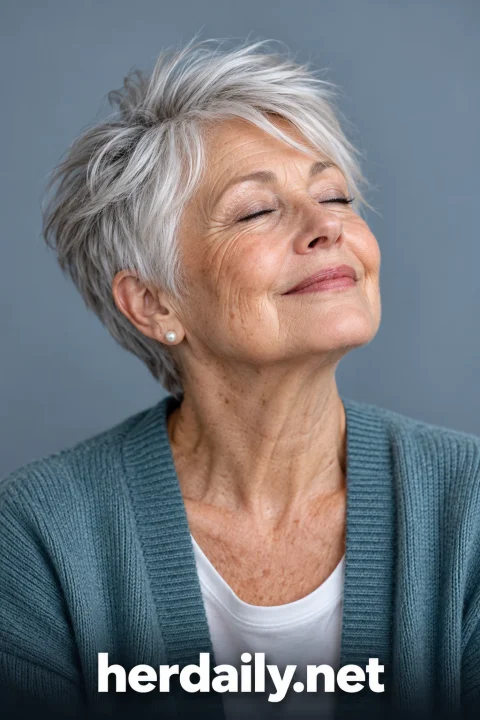
Silver and gray curls have incredible natural texture, and long layers show it off rather than weighing it down. I often recommend keeping the layers a touch longer through this transition, since gray hair can feel coarser and benefits from the extra release of weight. The result is soft, glossy movement instead of a stiff, helmet-like shape. This is consistently one of the most requested looks from clients embracing their natural color.
Curly Layers for Thick, Coarse Hair
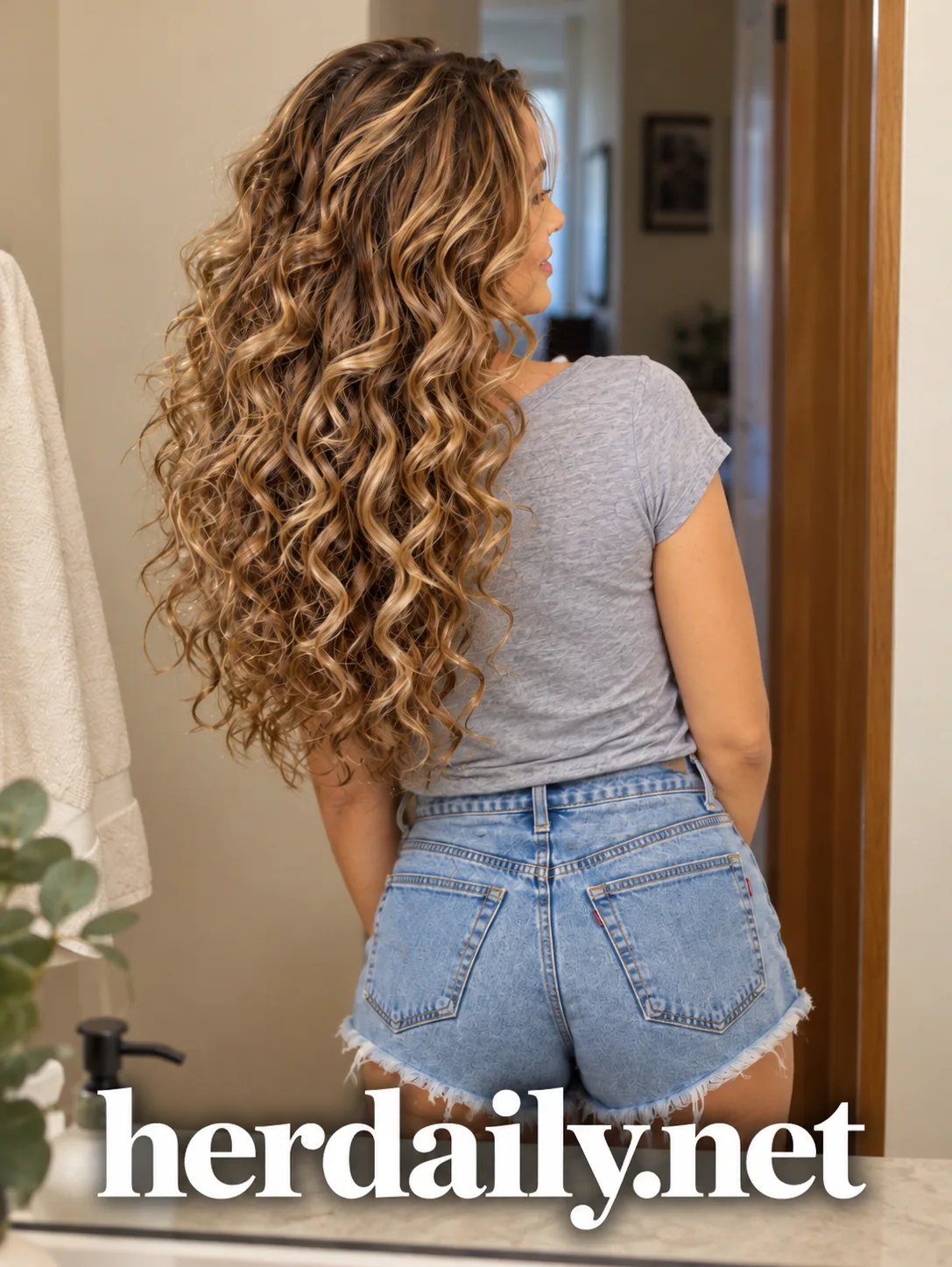
Thick, coarse curls need layers more than almost any other hair type, simply because there’s so much hair to manage. Heavier internal layering removes bulk without sacrificing length or fullness, so the curl pattern can actually be seen instead of buried under its own weight. I always tell clients with this hair type that fewer, well-placed layers beat a dozen choppy ones. A good leave-in conditioner is non-negotiable here to keep every layer soft rather than frizzy.
Curly Lob with Long Layers

The curly lob — a long bob that grazes the collarbone — is one of the most versatile cuts I offer. Long layers cut throughout keep it from ballooning into a triangle shape and instead let it fall in soft, rounded sections. It works on nearly every curl pattern, from loose waves to tight coils. This length also transitions effortlessly from a polished daytime look to a tousled, second-day style.
Curly Layers with a Wispy Fringe
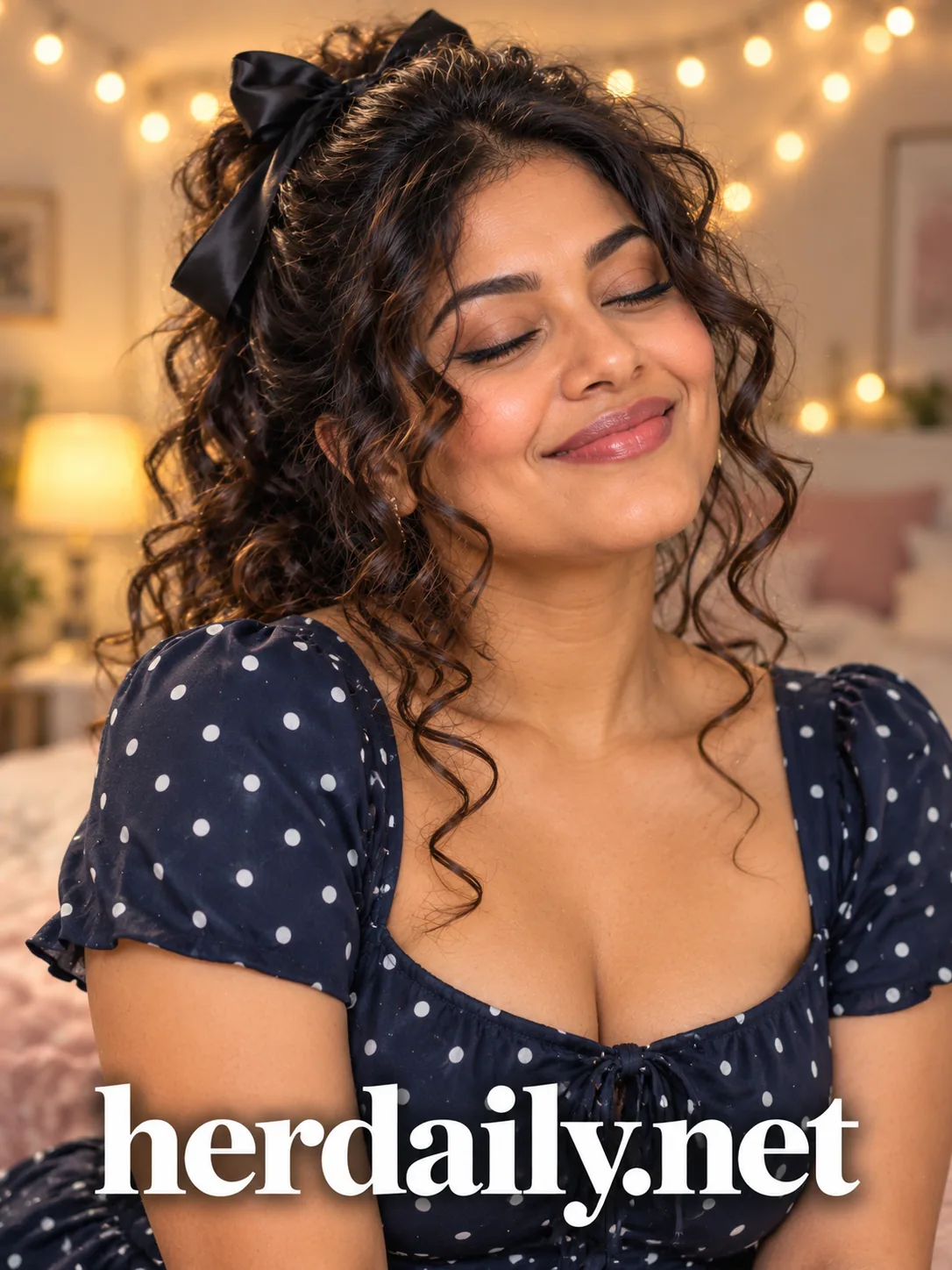
A wispy, textured fringe is much easier to live with on curly hair than a blunt one, since the pieces separate naturally instead of clumping into a solid curtain. Layering the fringe into the rest of your cut keeps it from standing apart as its own section. I love this for clients who want bangs but are nervous about the daily styling commitment. A light gel scrunched through damp hair is usually all it takes to define the fringe alongside your curls.
Layered Curls with Caramel Highlights

Warm caramel highlights woven through layered curls create a rich, multi-tonal effect that looks especially beautiful in natural light. The layers act almost like a canvas, catching color at different lengths so no two curls look exactly alike. This combination flatters nearly every skin tone, which is part of why I recommend it so often. Refresh the color every eight to ten weeks to keep the tones looking fresh against your natural curl color.
Curly Shag with Choppy Layers
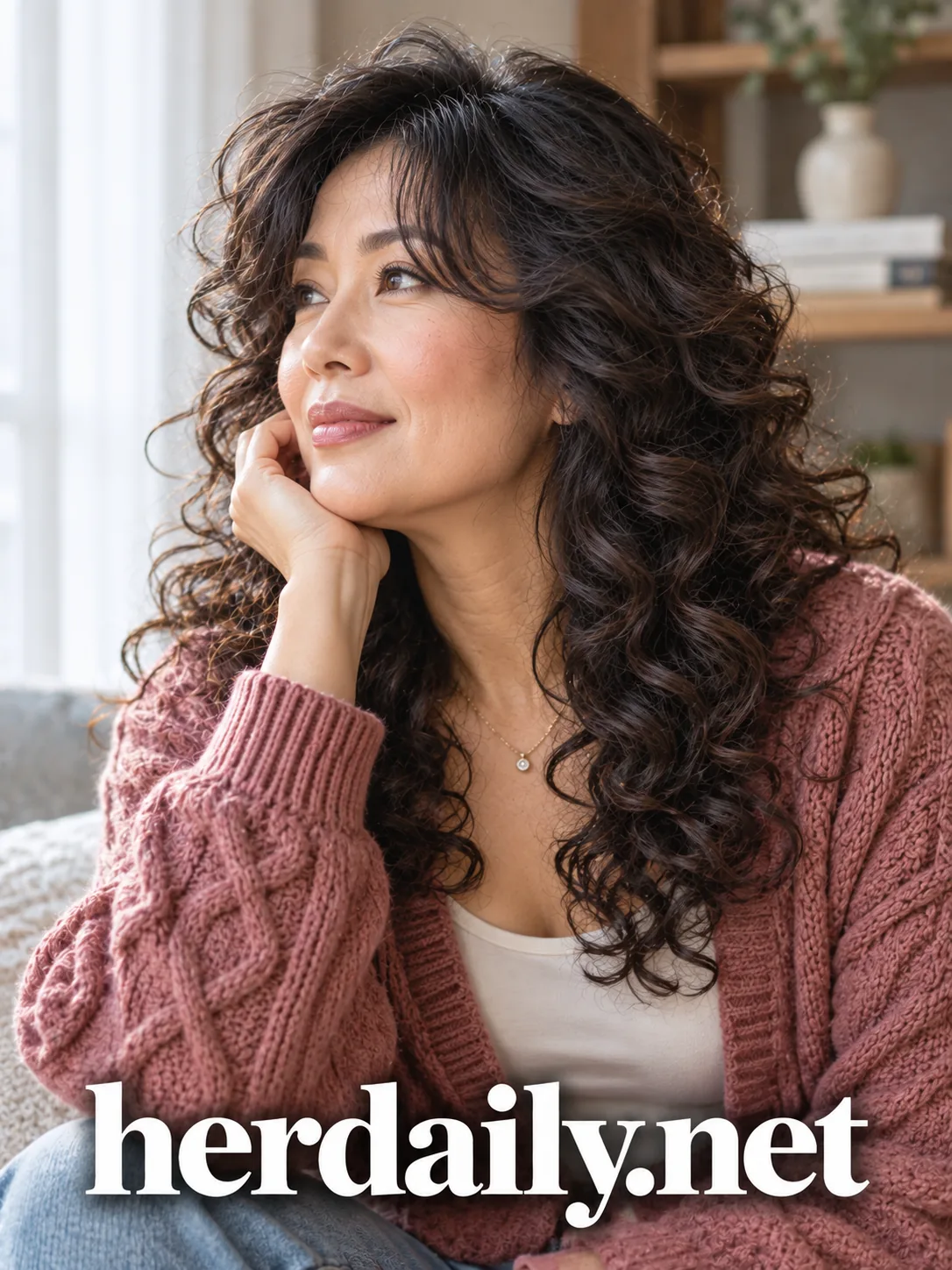
The shag has made a huge comeback, and curly hair might be its best canvas yet. Choppy, irregular layers throughout create the lived-in, effortless texture the shag is known for, and curls only amplify the movement. If you love this energy, you’ll also want to browse these short shaggy haircuts for even more ways to play with choppy texture. It’s a forgiving cut that hides regrowth and grow-out phases exceptionally well.
Curly Layers Styled Half-Up
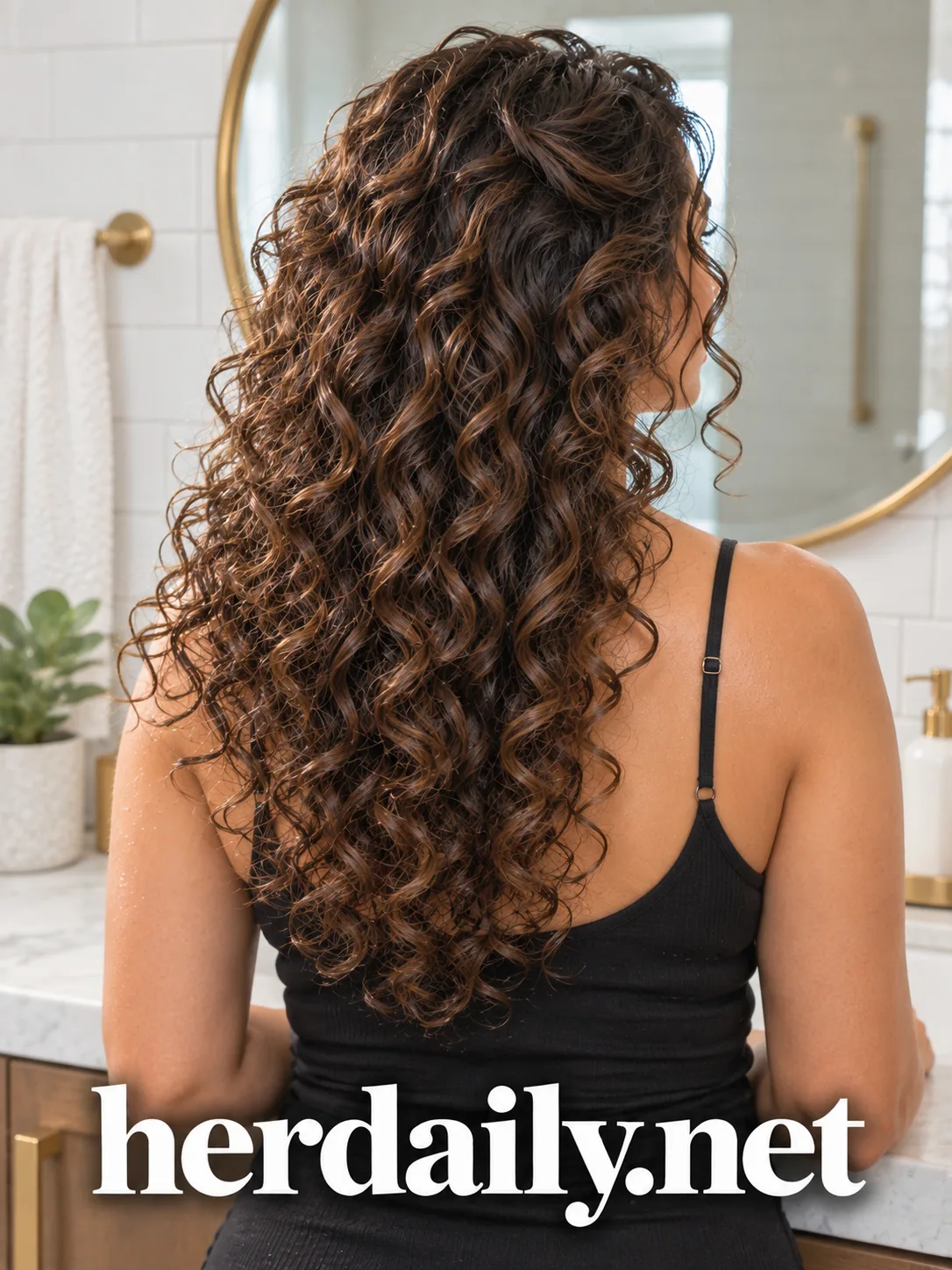
Not every layered look has to be about the cut alone — how you style it matters just as much. Pulling the top section into a half-up style shows off the layering around your crown while letting length and curl pattern hang loose underneath. This is one of my favorite ways to dress up a simple wash-and-go for an event without any heat styling. A few bobby pins hidden underneath keep it secure without flattening your curls.
Curly Layers with a Subtle Ombré

A soft, subtle ombré — dark at the root, gently lightening toward the ends — adds gentle dimension without the upkeep of a full-head color service. On layered curly hair, the gradual color shift becomes even more visible as the layers move and bounce. I recommend this to lower-maintenance clients who still want a noticeable change. It also grows out gracefully, so you’re not rushing back to the salon every few weeks.
Timeless Long Curly Layers for Women Over 60

There’s a persistent myth that long hair isn’t appropriate after a certain age, and I’ve spent years helping clients prove otherwise. Long, well-placed layers keep curly hair from looking heavy or dated, giving it the same lift and movement you’d want at any age. If you’re looking even further ahead, I’ve put together a whole guide to hairstyles for women over 70 that follows this same philosophy. Confidence, not a number, is what makes a long curly style work.
How to Care for Layered Curly Hair
Layers make curly hair easier to manage, but they still need the right routine to look their best. I always tell clients to skip the brush entirely — detangle only with fingers or a wide-tooth comb, and only while conditioner is still in the hair. Diffusing on a low, warm setting (never high heat) helps layers dry into defined shapes instead of frizzing out. And because layers create more ends, applying a leave-in conditioner or curl cream section by section keeps every layer hydrated, not just the top.
Curly hair also changes as we move through our 40s, 50s, and beyond. Strands often become drier and slightly more porous, so I recommend adding a weekly deep-conditioning mask if you haven’t already. This single change makes a real difference in how layers hold their shape between salon visits, and it’s one of the first things I recommend to anyone updating a hairstyle for over 50, curly or otherwise.
If you ever want a break from daily curl maintenance — a vacation, a stretch of humid weather, or simply a change of pace — a protective style is a wonderful option that doesn’t require sacrificing your layers underneath. Styles like flip-over Fulani braids let your curl pattern rest while still looking polished and intentional, and your layers will be right where you left them once you take the style down.
Color Options That Complement Curly Layers
Because curly hair catches and reflects light differently than straight hair, color choices matter just as much as the cut itself. Balayage and hand-painted highlights tend to be the most forgiving options, since they’re designed to look soft and grown-out rather than requiring a rigid part or a strict root-touch-up schedule. If you prefer more uniform coverage, an all-over gloss or semi-permanent color can add shine and richness to layers without the commitment of permanent dye.
Whatever you choose, ask your colorist about a bond-building or protein treatment alongside the color service. Curly hair is naturally more porous, and layers mean more exposed ends, so extra reinforcement helps prevent breakage and keeps curls springy rather than limp.
Color is really just one half of the equation — the cut underneath does most of the work. If you’re still deciding on your ideal shape, it’s worth browsing a broader range of layered haircuts over 50 to see how different color placements read across different layer patterns before you commit.
Finding the Right Curly Layers for Your Face Shape
Round faces generally look best with longer layers that start below the chin, since shorter layers can add width exactly where you don’t want it. Aim for height at the crown and length that skims past the jaw to create a more elongated appearance.
If you have a square or heart-shaped face, side-swept bangs or soft, angled layers around the cheekbones do a beautiful job of softening stronger angles. Avoid layers that stop abruptly at the widest part of your face, since curls tend to expand outward as they dry.
Oval and longer face shapes have the most flexibility, but curtain bangs or fuller layers through the sides help balance extra length. These shapes can also carry shorter, more dramatic layering without looking overwhelmed.
One more thing I always ask about: glasses. Frames sit differently against layered curls than against straight hair, so if you wear them regularly, it’s worth a look at these hairstyles for women over 70 with glasses for styling ideas that keep curls from clashing with your frames, regardless of your actual age.
Frequently Asked Questions About Curly Hair Layers
Will layers make my curls look shorter?
Not really — what you’re noticing is curl shrinkage, which happens whether or not you add layers. Curly hair coils up as it dries, so it always looks shorter than its true length. Well-placed layers actually help curls hang with more length and less bulk, since removing weight lets each coil stretch and drape rather than balling up on itself.
How often should I get my curly layers trimmed?
Most women with curls book a trim every ten to twelve weeks. Curly hair hides split ends fairly well, but regular trims keep layers from growing out into an uneven, bottom-heavy shape and help your cut hold its overall silhouette longer.
Do curly layers work on very tight coils?
Absolutely. Layering works beautifully on every curl pattern, from loose waves to tight coils — the technique just needs to be adjusted for your specific texture. Tighter coils generally need larger, more gradual layers, since smaller layers can shrink up dramatically once dry.
Do layers cause more frizz?
Not when they’re cut correctly. I prefer cutting curly hair dry, curl by curl, so I can see exactly how each section will behave rather than guessing at how wet hair will shrink and shift. Layers cut this way tend to look smoother and more defined, not frizzier.
How do I transition from one-length hair to layers?
You don’t have to do it all at once. I often introduce layers gradually over two or three appointments for clients who are nervous about the change, starting with subtle layering around the face before opening up the interior. Either way, seek out a stylist who specializes in curly cutting rather than one who treats curls the same as straight hair.
Are curly layers low maintenance?
Generally, yes — once you learn your own hair’s habits. Layers actually reduce daily styling time for most people, since they remove the bulk that makes curls fight against gravity. A consistent wash-day routine and a good trim schedule are really all it takes to keep them looking their best.
Final Thoughts
Layers are one of the single best things you can do for curly hair at any age. They lighten the load on heavy curls, bring shape back to tired styles, and give you the freedom to wear your natural texture with confidence — whether you’re 42, 58, or 71. My advice: bring a few of these photos to your next appointment, be specific about how much length you’re willing to give up, and find a stylist who genuinely understands curl patterns rather than cutting curly hair the same way as straight hair.
Save this guide to your Pinterest board now so you have all eighteen looks on hand the next time you’re ready for a change — and don’t be afraid to mix and match ideas from a few different styles here to build the one that’s truly yours.
29 views
Leave a Reply