After twenty years behind the chair and behind the keyboard writing about hair, I can tell you that short shaggy haircuts are the single most requested style in my inbox right now. There is something about the tousled layers, the soft fringe, and the effortless texture that makes a shag feel both youthful and completely wearable, whether you are 42 or 72. If you have been eyeing a change but are not sure where to start, save this hairstyles collection now so you can bookmark your favorites and bring them straight to your stylist.
Below I am walking you through twenty of my favorite short shaggy haircuts, plus my honest advice on care, color, and how to pick the version that will actually flatter your face shape and your decade of life. Let’s get into it.
One more thing before we dive in: a shag is one of the rare cuts that genuinely gets better with a little maturity. The soft, broken layers catch light beautifully, add movement without effort, and tend to draw attention upward toward the eyes and cheekbones rather than emphasizing anything you would rather play down. That is exactly why I keep recommending it to clients and readers well into their 60s and 70s.
Classic Textured Shag with Curtain Bangs
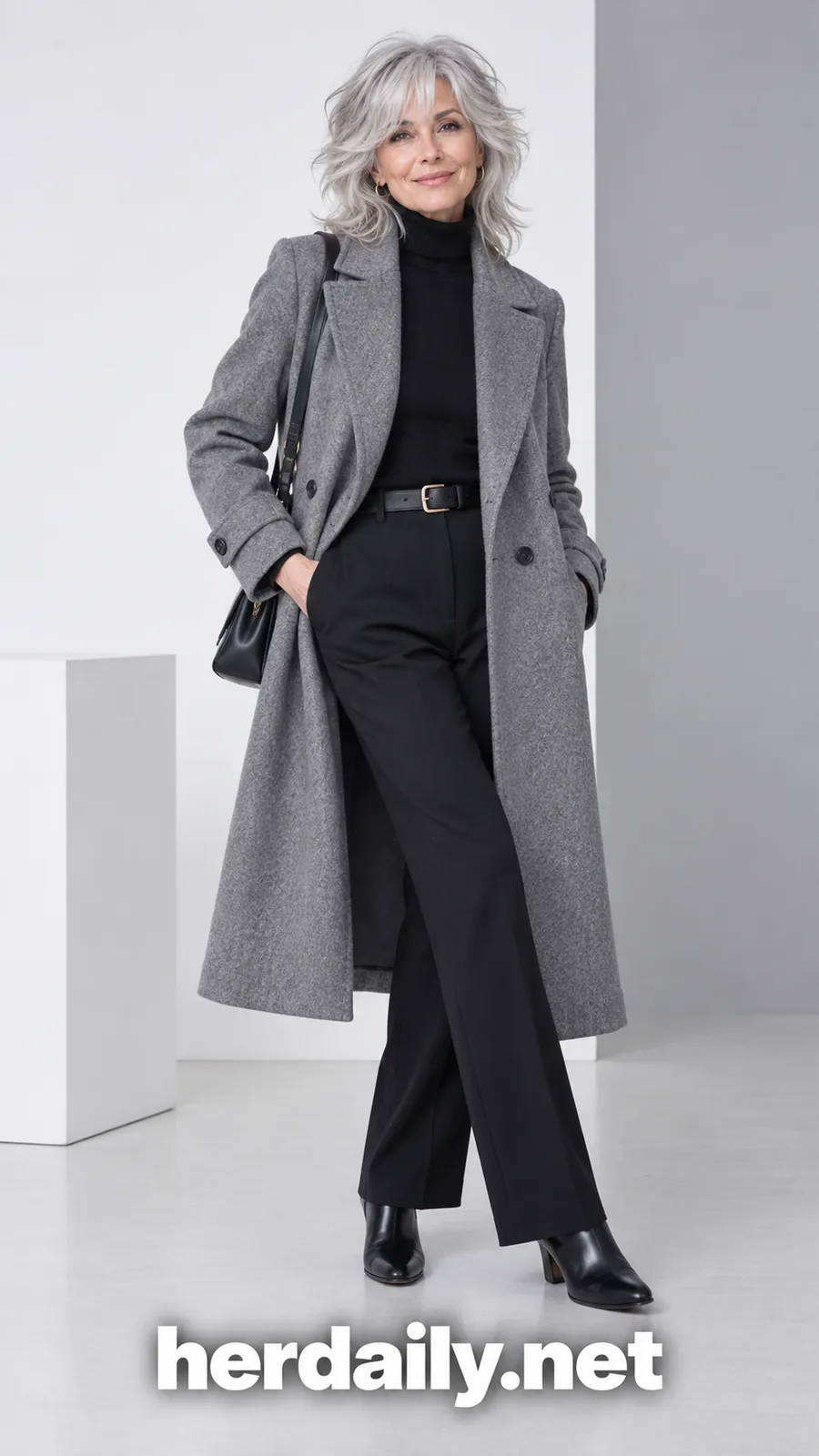
This is the shag I recommend most often to first-timers. Soft, face-framing curtain bangs blend into choppy layers throughout the crown, so there is no harsh line to grow out and no daily blow-dry required. It reads polished on a good hair day and intentionally undone on a lazy one, which is exactly what I want for my own hair.
Soft Pixie Shag for Fine Hair
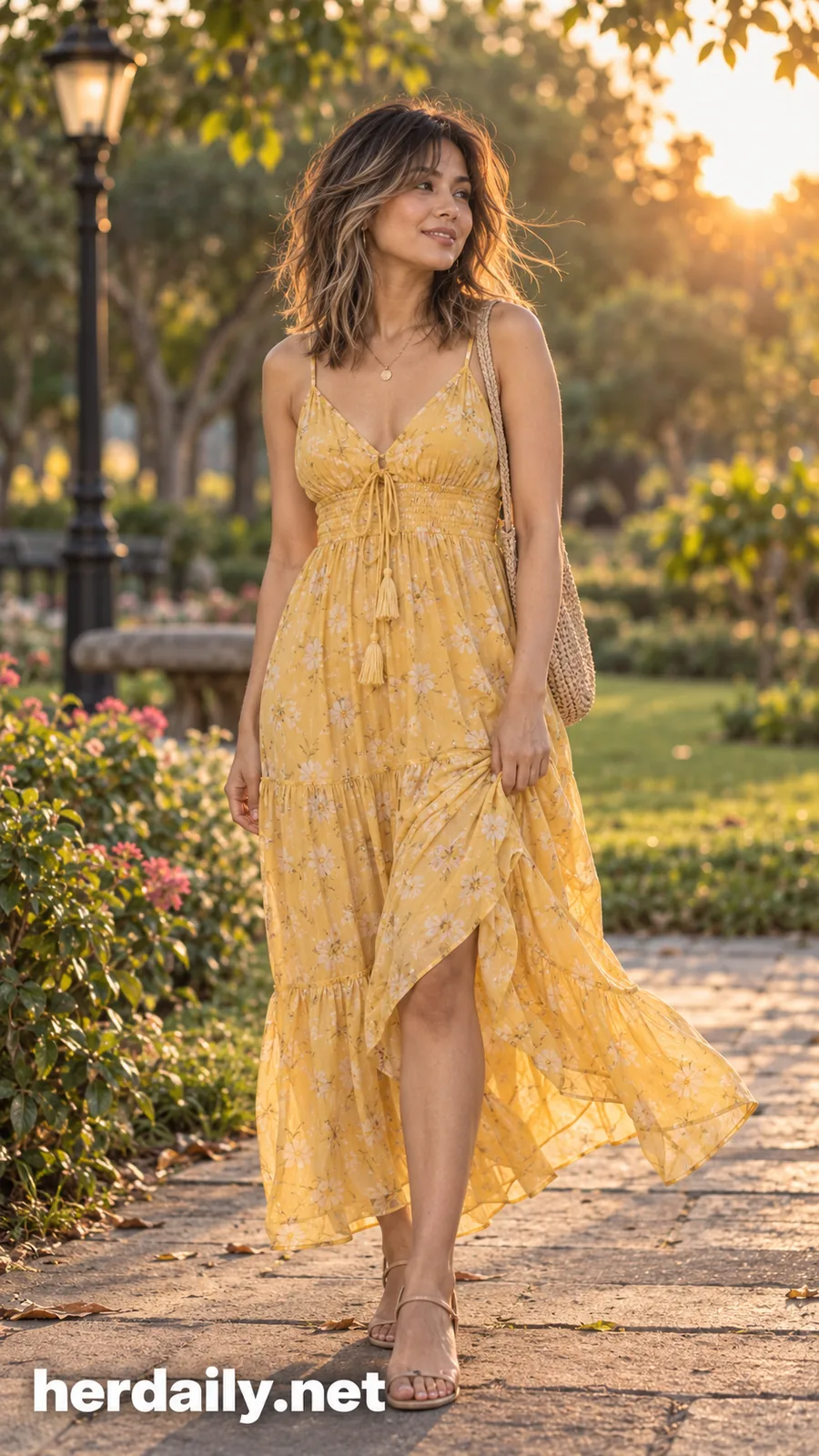
If your hair has thinned with age, this cropped, heavily textured pixie shag is your best friend. The choppy, piece-y layers are cut to sit away from the scalp, which tricks the eye into seeing far more density than is actually there. Pair it with a lightweight volumizing mousse and you have a wash-and-go style that never looks flat.
Curly Shag That Works With Natural Texture

Curls and shags were made for each other. Rather than fighting your natural spiral or wave, a curly shag uses layering to break up bulk and let each curl fall with its own shape and bounce. I love this cut for women who have spent years straightening and are finally ready to let their natural texture lead, and it typically requires far less heat styling than a smoother look.
Shaggy Bob with Feathered Layers
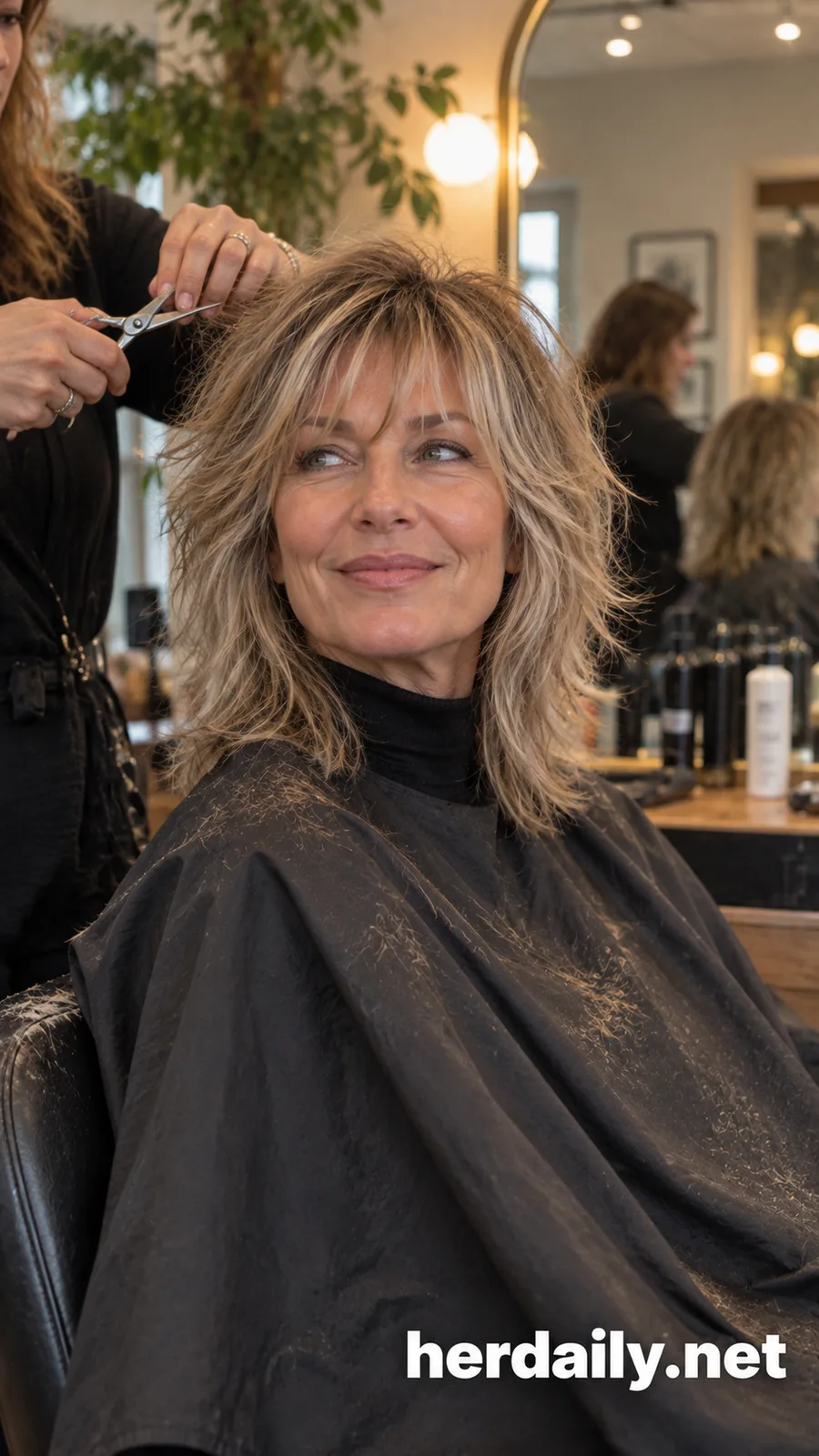
A little longer than a classic shag, this feathered version skims the jaw and shoulders and moves beautifully with feathered, face-framing layers. It is one of the prettiest bridges between a full shag and one of the layered haircuts over 50 I recommend for women who want fullness without committing to super-short length.
The Wolf Cut Shag
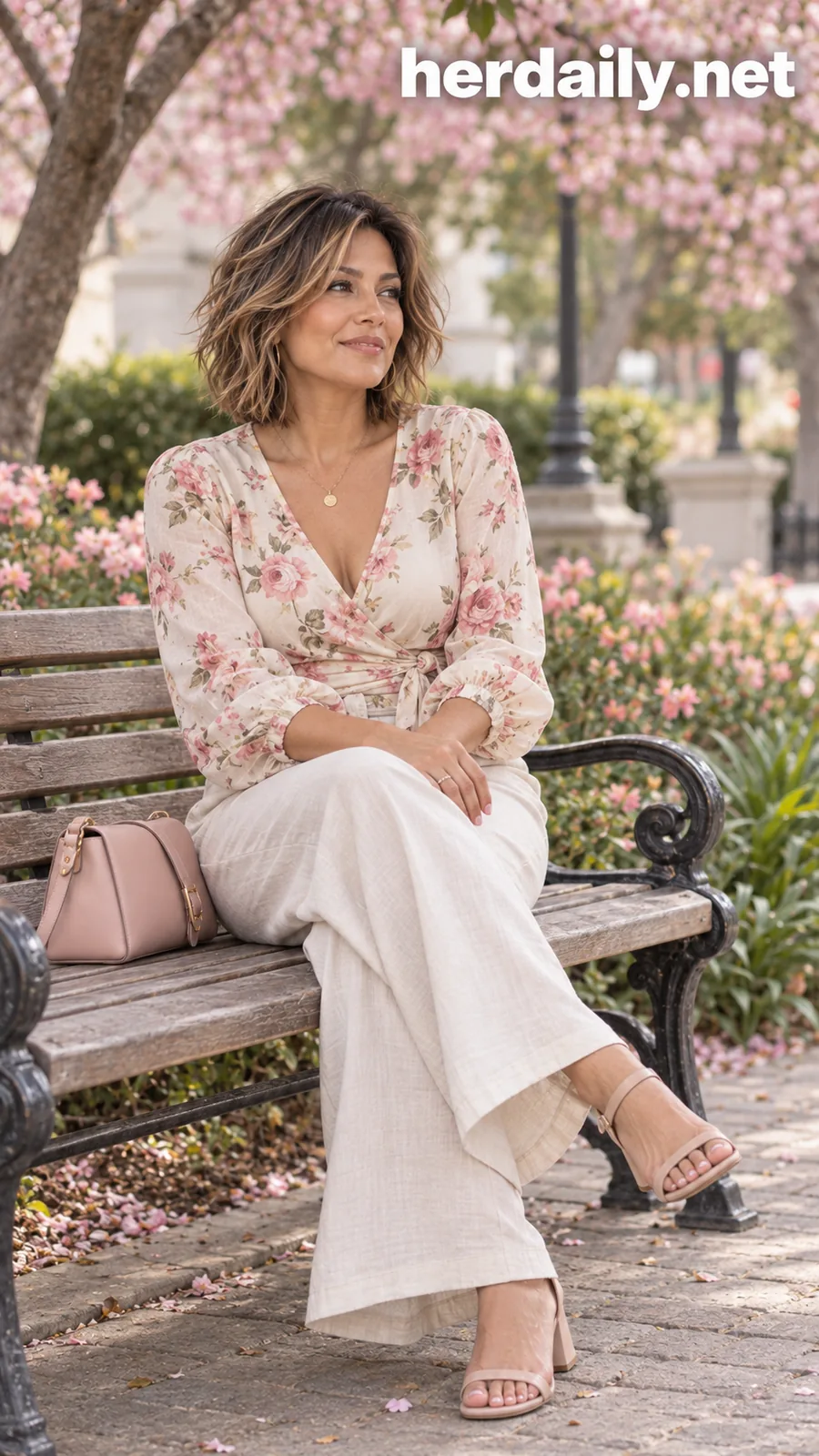
The wolf cut is the shag’s edgier cousin, combining choppy mullet-inspired layers on top with heavy shag texture through the ends. It is bold, it is low-maintenance, and it photographs beautifully. I usually suggest this one to clients who already love a shorter cut and are ready to push their look a little further, especially if they want a style that feels current rather than safe.
Shaggy Pixie with Side-Swept Bangs

Side-swept bangs soften the pixie shag’s edges and are far more forgiving to grow out than a blunt fringe. This is a wonderful option if you have a higher forehead you would like to visually shorten, or if you simply want a bit more coverage without losing the shag’s signature movement.
Choppy Shag for Thick, Heavy Hair

Thick hair can feel heavy and hard to style past a certain age, and this is where a choppy, heavily layered shag earns its keep. Razor-cut ends remove weight and bulk while keeping length where you want it, so the whole style feels lighter on the head and easier to dry in a fraction of the time. Most of my thick-haired clients tell me this is the first cut in years that actually dries in under twenty minutes.
Silver Shag for Gray and Graying Hair

There is nothing that shows off a gorgeous silver or salt-and-pepper transition quite like a shag. The multi-directional layers catch the light from every angle and add dimension that solid gray can sometimes lack on its own, which is exactly why I point so many of my graying clients toward this cut.
Asymmetrical Shag

For women who want their haircut to feel a little more fashion-forward, an asymmetrical shag with one side cut slightly shorter than the other adds instant visual interest. It still carries all the easy, tousled texture of a classic shag, just with a modern twist that keeps it from ever looking dated. It is a fun way to signal that your style has evolved without changing your entire look overnight.
Micro-Fringe Shag

A micro-fringe sits high above the brow bone and pairs surprisingly well with a shag’s loose layers. It is a striking, confident look best suited to women with an oval or heart-shaped face and smooth, even skin, since there is nowhere for the fringe to hide.
Longer Chin-Length Shag
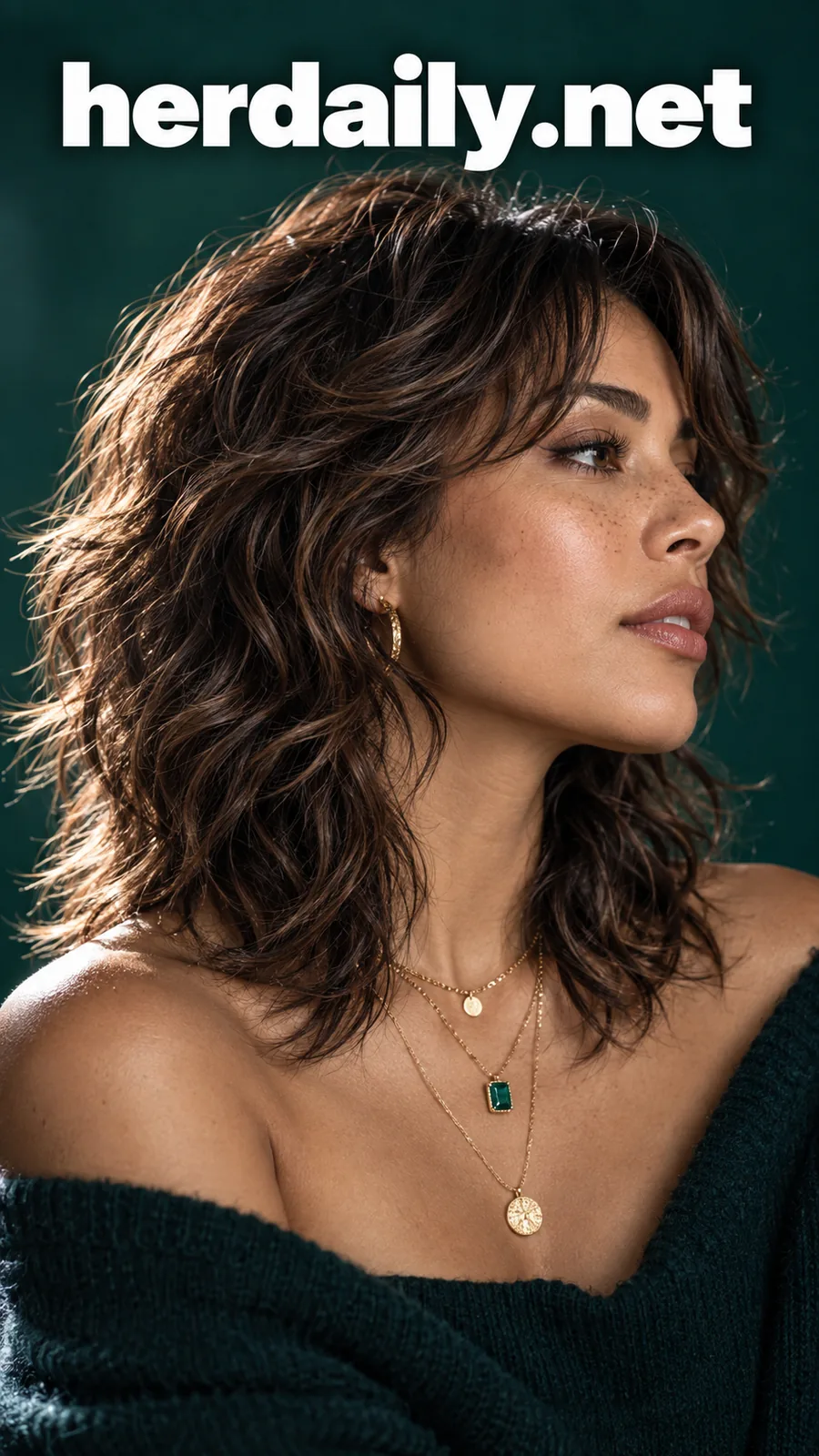
Not ready to go super short? This longer, chin-to-jaw shag keeps the same choppy, textured layering but at a length that still allows for a low ponytail on busy mornings. It is a gentle first step if you are transitioning down from one of the over 40 long hairstyles I have covered before and are not ready to commit to a dramatic chop.
Layered Shag with Face-Framing Pieces

This version leans on longer, softer face-framing pieces around the cheeks and jaw, which is one of the most universally flattering things a stylist can do for a mature face. It draws the eye up and in, softens the jawline, and works beautifully whether your hair is straight, wavy, or somewhere in between.
Textured Crop Shag
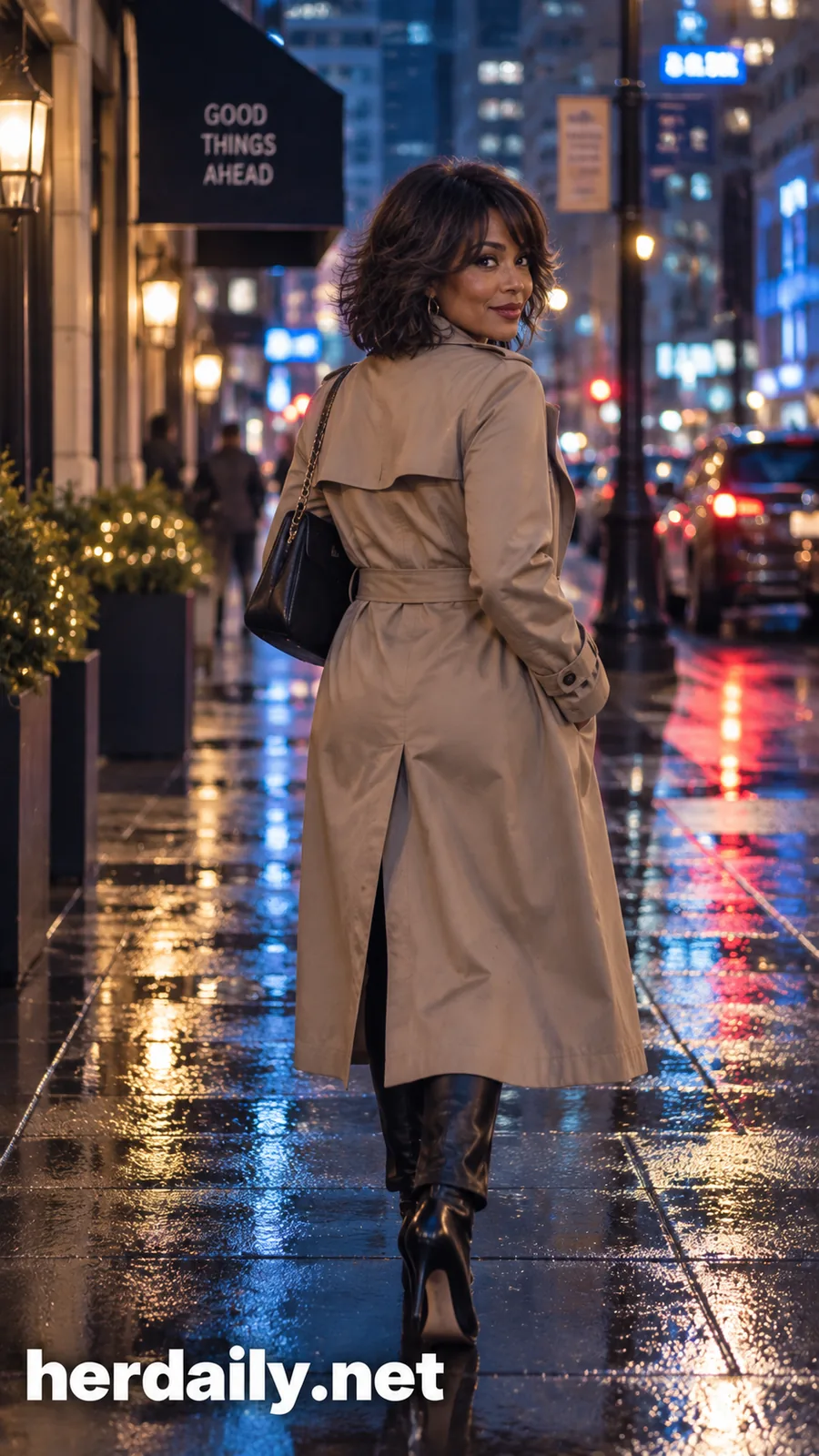
A cropped shag with heavy point-cutting throughout gives you maximum texture in minimum length. This is the cut I hand to clients who tell me they are “done” with styling time in the morning — scrunch in a texturizing spray, tousle with your fingers, and you are out the door. It is also one of the coolest options for hot summer months when you want length off your neck.
Shag with a Subtle Undercut

A discreet undercut hidden beneath the top layers keeps the nape and sides cool and light while the shag on top does all the visual work. It is a fantastic option for warmer climates or for anyone who simply wants less hair to manage without an obvious change from the front.
Voluminous Shag for Round Faces
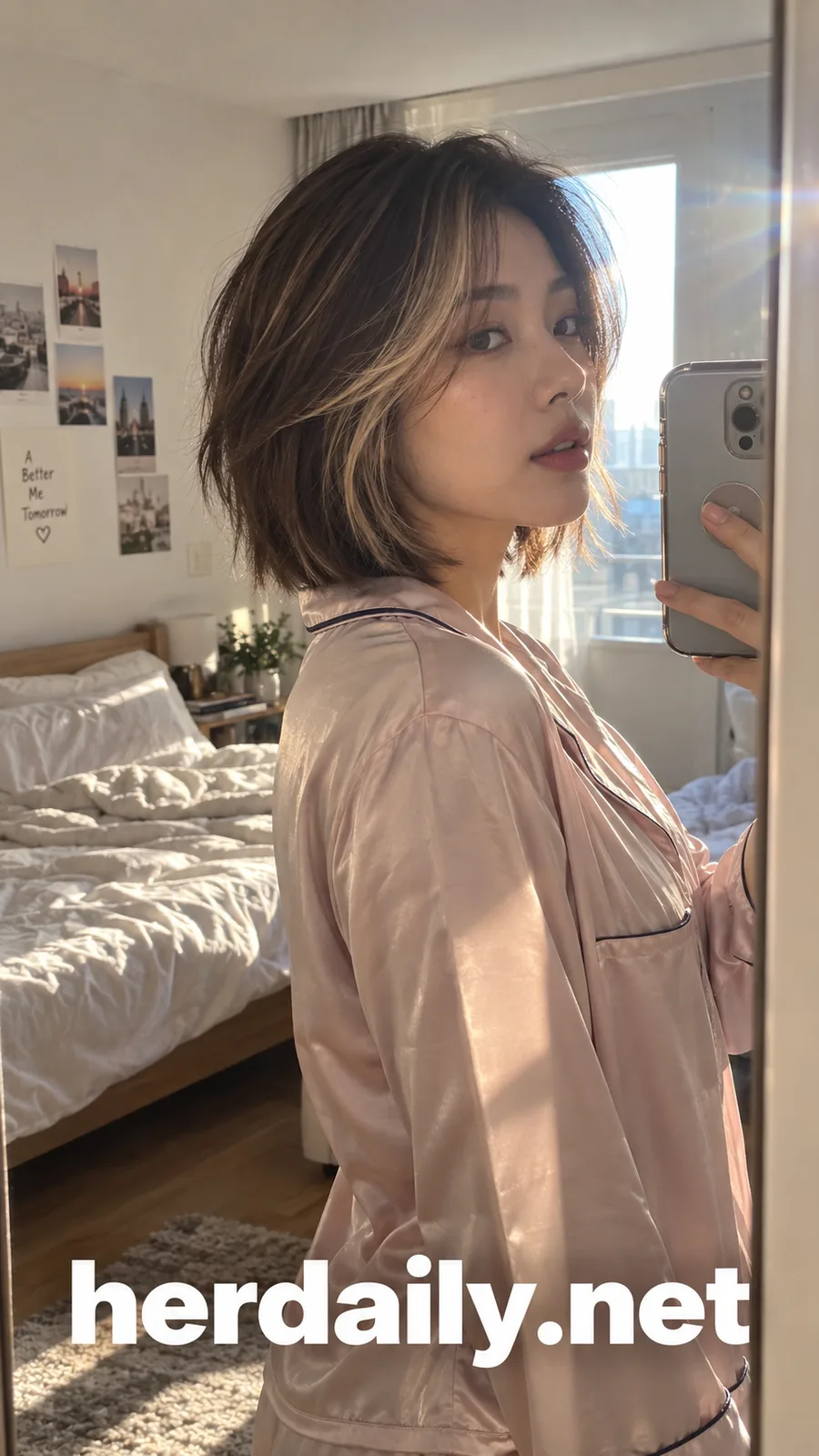
Layered strategically at the crown and kept fuller through the sides, this shag adds lift exactly where round faces benefit most, creating the illusion of more length and less width. It is one of my go-to recommendations whenever a client tells me she has always struggled to find a short cut that suits her face.
Sleek, Polished Shag

Yes, a shag can be sleek. Blow-dried smooth with a round brush and finished with a light shine serum, this version proves the cut works just as well for the boardroom as it does for the weekend. The layers still move, they are just smoothed rather than tousled, which makes this my favorite option for special occasions or client meetings.
Messy Bedhead Shag

This is the ultimate wash-and-go shag: scrunch-dry it, add a texturizing paste, and let the layers fall where they want. It has an effortless, lived-in quality that genuinely looks better the second or third day, which makes it one of the lowest-maintenance cuts on this entire list.
Shag with a Blunt Fringe

Swapping the shag’s usual wispy bangs for a fuller, blunt fringe creates a striking contrast between the sharp front line and the choppy layers everywhere else. It is a confident, graphic look for women who want their haircut to make a statement.
Retro 70s-Inspired Shag

The original shag never really left, and this retro-leaning version leans into that heritage with feathered, flicked-out layers and generous volume at the crown. It is a fun, nostalgic option if you grew up loving this cut the first time around and want to bring it back on your own terms, styled with today’s softer, healthier finish.
Modern Minimalist Shag

For a cleaner, more understated take, this modern shag keeps the layering soft and the silhouette closer to the head, trading dramatic texture for subtle movement. It is an excellent transitional cut if you love the idea of a shag but are not ready for a dramatically choppy result.
How to Care for a Short Shaggy Haircut
The beauty of a short shag is that it is genuinely low-maintenance once it is cut correctly, but a few habits will keep it looking its best between salon visits. First, invest in a good lightweight mousse or texturizing spray rather than a heavy cream, which can weigh down the very layers that give the cut its movement. Apply product to damp hair and either air-dry with your fingers for a tousled finish, or use a diffuser on low heat if you want a bit more lift at the root.
Regular trims matter more with a shag than with almost any other cut. Because the whole style relies on layering, I recommend seeing your stylist every six to eight weeks to keep the shape from growing out and losing its texture. Dry shampoo is also your best friend here — a light spritz at the roots on day two or three will refresh volume without a full wash, which is especially helpful if you are managing color-treated or thinning hair.
As for tools, you really only need two or three. A wide-barrel diffuser attachment is worth every penny if you have any wave or curl, since it dries hair without disturbing the texture you are trying to enhance. A one-inch curling iron or wand can add a few soft, piece-y bends on days you want more definition, and a boar-bristle brush will help distribute natural oils through shorter lengths so ends stay healthy between trims.
Color Options That Make a Short Shag Pop
Color is where a shag really gets to show off, because every layer catches light differently. Soft, hand-painted highlights or balayage add dimension without the upkeep of a full color service, and they grow out gracefully rather than leaving an obvious line at the root. If you are fully gray or transitioning, I often suggest a few subtle lowlights to add depth rather than fighting the gray with all-over color.
For anyone who wants a bit more drama, a warm copper or caramel tone through the ends of a shag can look absolutely stunning against fair or medium skin, while cooler ash or espresso tones tend to flatter deeper skin tones beautifully. Whatever you choose, ask your colorist to keep the richest tone near the face-framing pieces — that is the area that will do the most for brightening your complexion.
Finding Your Best Short Shag by Face Shape
Not every shag suits every face, and this is the part clients ask me about most. Here is my honest breakdown of which version tends to work best depending on your face shape.
Round Faces
Look for height at the crown and layers that fall just below the cheekbone, like the voluminous shag above. Avoid anything that adds width at the sides, and keep bangs long and side-swept rather than short and blunt.
Square Faces
Soft, wispy layers around the jaw help break up strong angles beautifully. A curtain fringe or side-swept bang is especially flattering here, softening the forehead and jawline at the same time.
Heart-Shaped Faces
Because a heart-shaped face is widest at the forehead and narrows toward the chin, a shag with fuller layers near the jawline helps balance the proportions. A micro-fringe can also look wonderful if your forehead and skin are the focal point you want to highlight.
Oval and Long Faces
You genuinely have the most freedom here — almost every version on this list will suit you, from the blunt fringe shag to the retro 70s style. If your face is on the longer side, keep some width and volume through the sides rather than going too sleek.
Your decade matters just as much as your face shape. In your 40s, I tend to recommend a shag with more length and softer layering, since hair is often still thick and benefits from a gentler transition into shorter styles — the layered shag with face-framing pieces is a favorite here. By your 50s, many women are ready for a bit more texture and a shorter overall silhouette; this is also a wonderful decade to explore color, and it is worth browsing a full hairstyle for over 50 guide for more ideas that pair beautifully with a shag. In your 60s and beyond, I lean toward softer, rounder shapes with a little extra volume at the crown, and I always point clients toward my guide to hairstyles for women over 70 for even more inspiration as hair naturally becomes finer with age.
Frequently Asked Questions About Short Shaggy Haircuts
Are short shaggy haircuts good for thinning hair?
Yes, and in my experience they are one of the very best options. The choppy, textured layers are cut to add visual density and movement, which makes thinning hair look fuller than a single blunt length ever could.
How often do I need to trim a short shag?
Plan on a trim every six to eight weeks. Because the entire style depends on layering, letting it go much longer than that will cause the shape to grow out and lose its signature texture.
Will a short shag work with my curly hair?
Absolutely. Shags were practically made for curls and waves — the layering removes bulk and lets each curl move and bounce independently rather than clumping into one heavy shape.
What products should I use to style a short shag?
Start with a lightweight mousse or texturizing spray on damp hair, then either air-dry with your fingers or diffuse on low heat. Finish with a small amount of texturizing paste or dry shampoo for extra grip and volume.
Is a short shaggy haircut a good choice after 60?
It absolutely can be. I recommend leaning toward the softer, rounder versions with a little extra volume at the crown, and keeping regular trims to maintain shape as hair naturally becomes finer with age.
Can I still wear a short shag if I have fine, flat hair?
Yes, this is exactly where a shag shines. The piece-y, textured layers are cut to sit away from the scalp, which creates the appearance of thickness that a one-length cut simply cannot achieve on fine hair.
How do I ask my stylist for a short shaggy haircut?
Bring a saved photo or two, since “shag” can mean slightly different things to different stylists. I also recommend mentioning your hair type, how much time you want to spend styling, and whether you would like bangs, so your stylist can customize the layering to suit both your texture and your lifestyle.
Final Thoughts
Short shaggy haircuts have earned their comeback for a very good reason: they are flattering, forgiving, and genuinely easy to live with, no matter what decade you are in. Whether you gravitate toward the soft curtain-bang version, a bold wolf cut, or a sleek and polished take, there is a shag on this list built for your hair type, your face shape, and your lifestyle.
I would love to see which one you choose. Pin your favorite look from this post to your Pinterest board so you have it ready to show your stylist, and come back to herdaily.net anytime you need more hair inspiration.
1 views

Leave a Reply