This guide covers what to expect, from the first consultation to recovery. One thing has never changed: nothing is more reassuring than seeing a real facelift before and after. Photos show what words can’t, such as how a jawline sharpens, how a neck smooths and how a face can look rested without looking ‘done.’ Below I walk through 20 different approaches, from deep plane surgery to non-surgical tightening, with honest notes on who each one suits and what recovery involves. Bookmark this collection so you can come back to it before your consultations. Please treat it as a starting point for your research and not as medical advice. Only a board-certified surgeon who has examined you can tell you what is right for your face and your health.
1. Deep Plane Facelift with Neck Lift
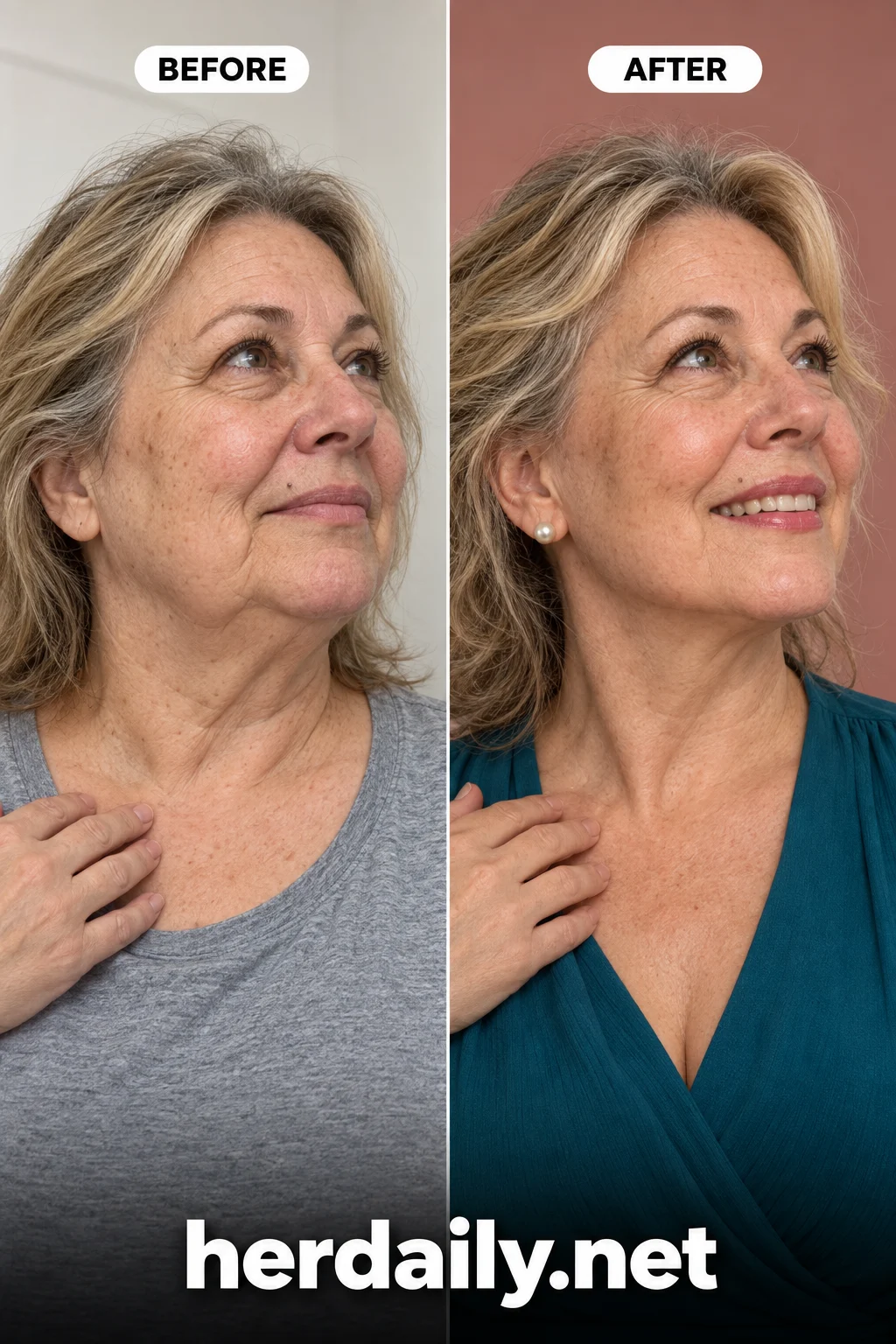
The deep plane facelift releases and repositions the deeper muscle and fat layers together, not just the skin. Paired with a neck lift, it can restore the jawline and the neck angle in one operation. Results tend to look natural and last a long time, often ten years or more. It is a significant surgery with roughly two to three weeks of social downtime. My tip: ask the surgeon how many deep plane procedures they perform each year and request to see results at least a year after surgery.
2. SMAS Lower Facelift for a Sharp Profile
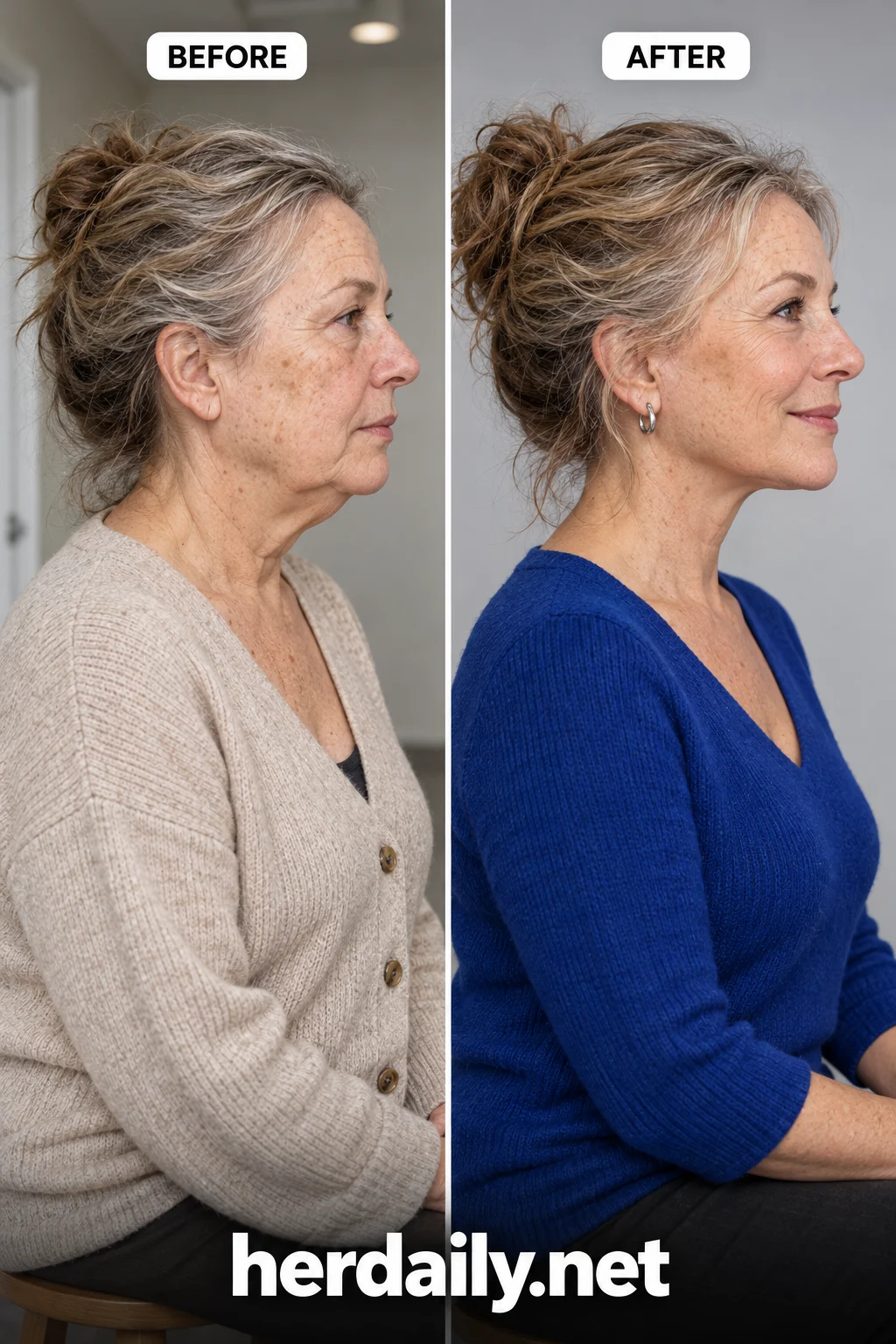
An SMAS lift tightens the supportive layer beneath the skin of the lower face. It reliably smooths jowls and sharpens the side profile. Many surgeons consider it a dependable workhorse technique, and recovery is usually a little lighter than with a deep plane lift. When you review photos, look at the profile view. That angle shows whether the jaw has been truly redefined or only pulled.
3. Mini Facelift for a Lifted Jawline
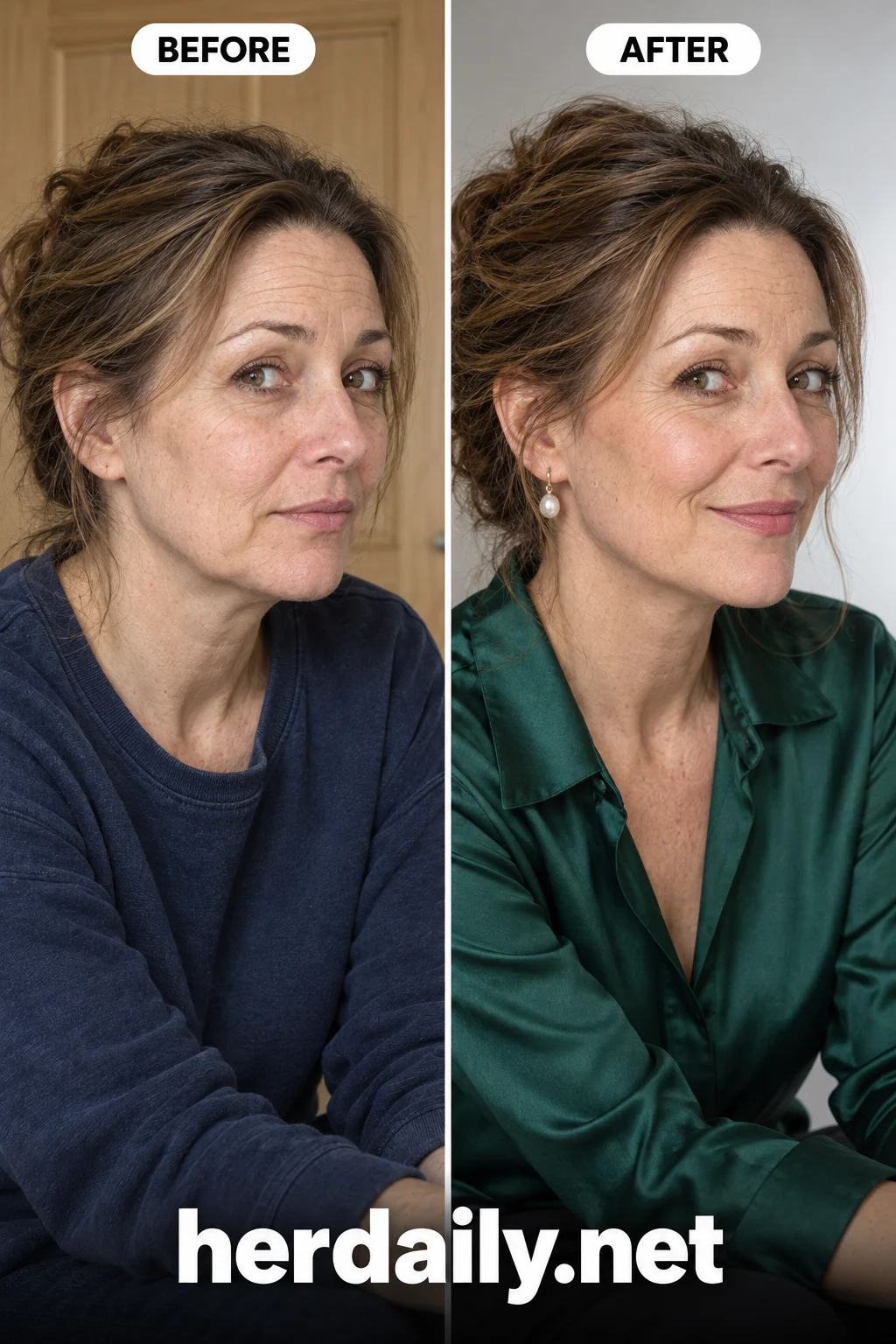
A mini facelift uses shorter incisions to lift early jowling and soft laxity along the jaw. It is often a good fit for women in their 40s and early 50s whose skin still has some bounce. Downtime is often around a week to ten days. Be realistic, though. A mini lift won’t correct significant neck sagging, so if your neck bothers you most, say so at the consultation.
4. Full Facelift with a Firm Neck
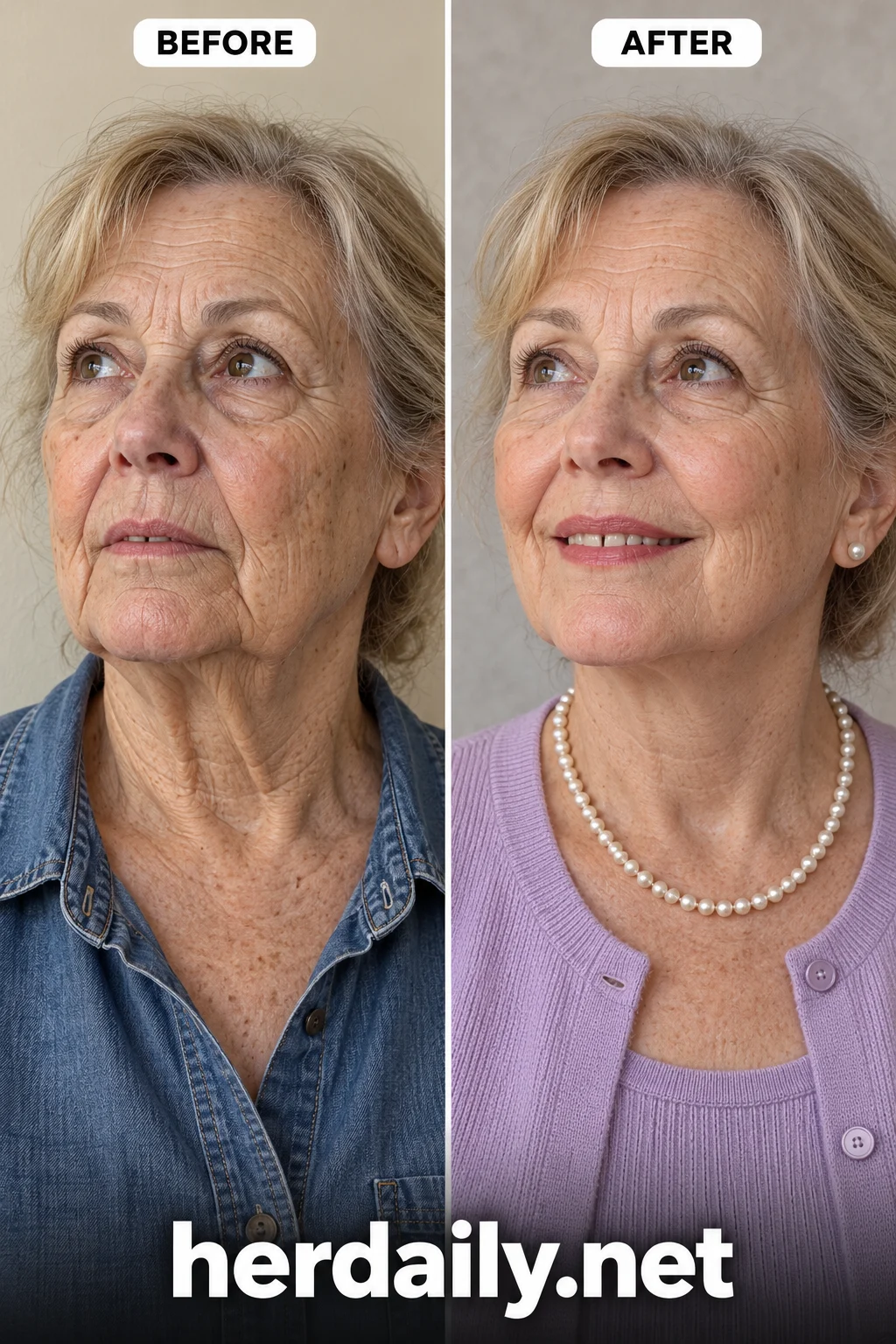
A traditional full facelift addresses the cheeks, jowls and neck together and offers the most comprehensive change. It suits women with moderate to advanced laxity, often in their late 50s and beyond. Expect swelling and bruising for two weeks or more, and some tightness for a few months. Plan your calendar so that no big events fall within six weeks of surgery.
5. Mid-Face Lift for Raised Cheeks

A mid-face lift repositions cheek fat that has drifted downward, which softens the nasolabial folds and that tired look under the eyes. Incisions are often hidden near the temples or lower lids. It works well for women whose jawline is still decent but whose cheeks have flattened. Ask the surgeon whether volume, such as fat or filler, would help alongside the lift.
6. Neck Lift for a Defined Profile

A neck lift on its own tightens loose skin and the platysma muscle bands, restoring a crisp line from chin to neck. It is a smart option if your face still feels youthful but your neck tells a different story. Recovery usually includes a compression garment for several days. Sleeping with your head elevated helps the swelling settle faster.
7. Lower Face and Neck Lift for Smooth Contours
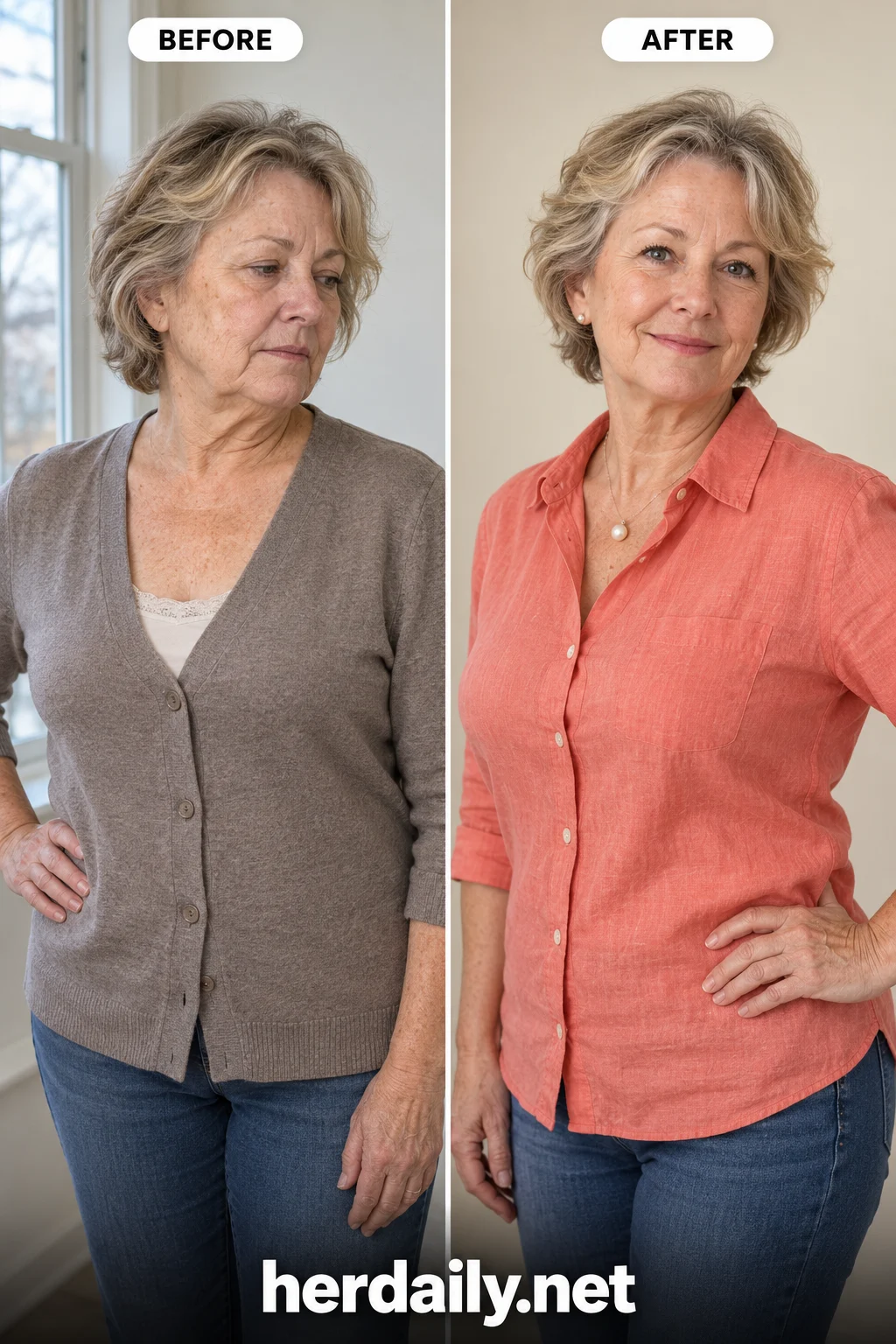
This combination focuses on everything below the cheekbones: jowls, marionette shadows and neck. It is one of the most requested procedures among women in their 50s, because the lower face often ages first. The result is a smoother, continuous jawline. Ask about where the incisions will sit around the ear, since placement affects how easily you can wear your hair up later.
8. Thread Lift for a Subtle Cheek Lift

A thread lift uses dissolvable sutures placed under the skin to gently lift the cheeks and stimulate collagen. There are no surgical incisions, and many women return to normal life within a few days. Results are subtle and typically last one to two years. My tip: choose an experienced injector or surgeon, because poorly placed threads can cause puckering or visible dimpling.
9. Facelift with Brow Lift
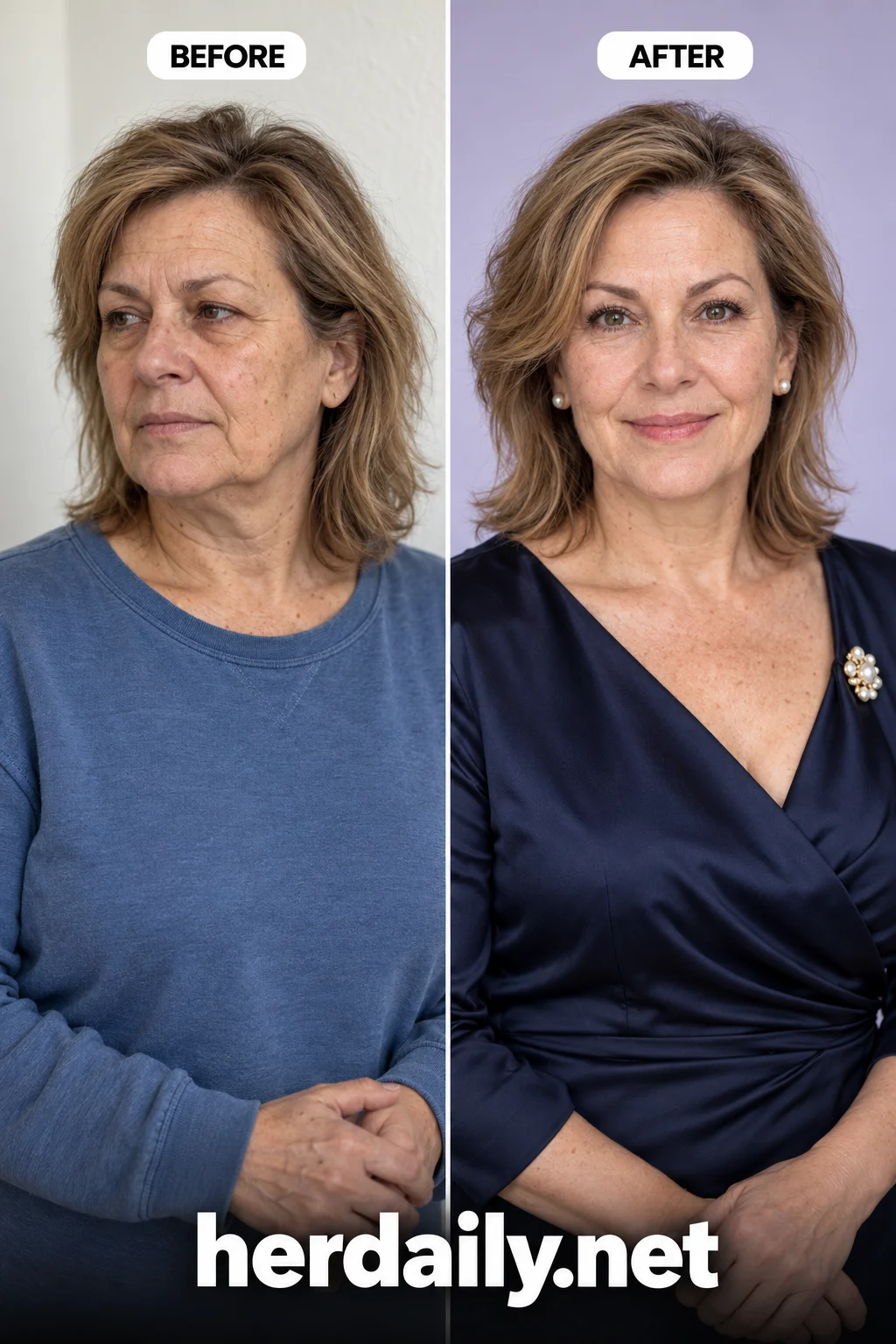
Pairing a facelift with a brow lift keeps the upper and lower face in harmony, so you don’t end up with a fresh jawline under heavy, tired-looking brows. A brow lift raises the brows a few millimeters and opens up the eye area. The goal is to look refreshed, not surprised. Bring old photos of yourself to show the surgeon where your brows naturally sat.
10. Temple Lift and Ponytail Facelift
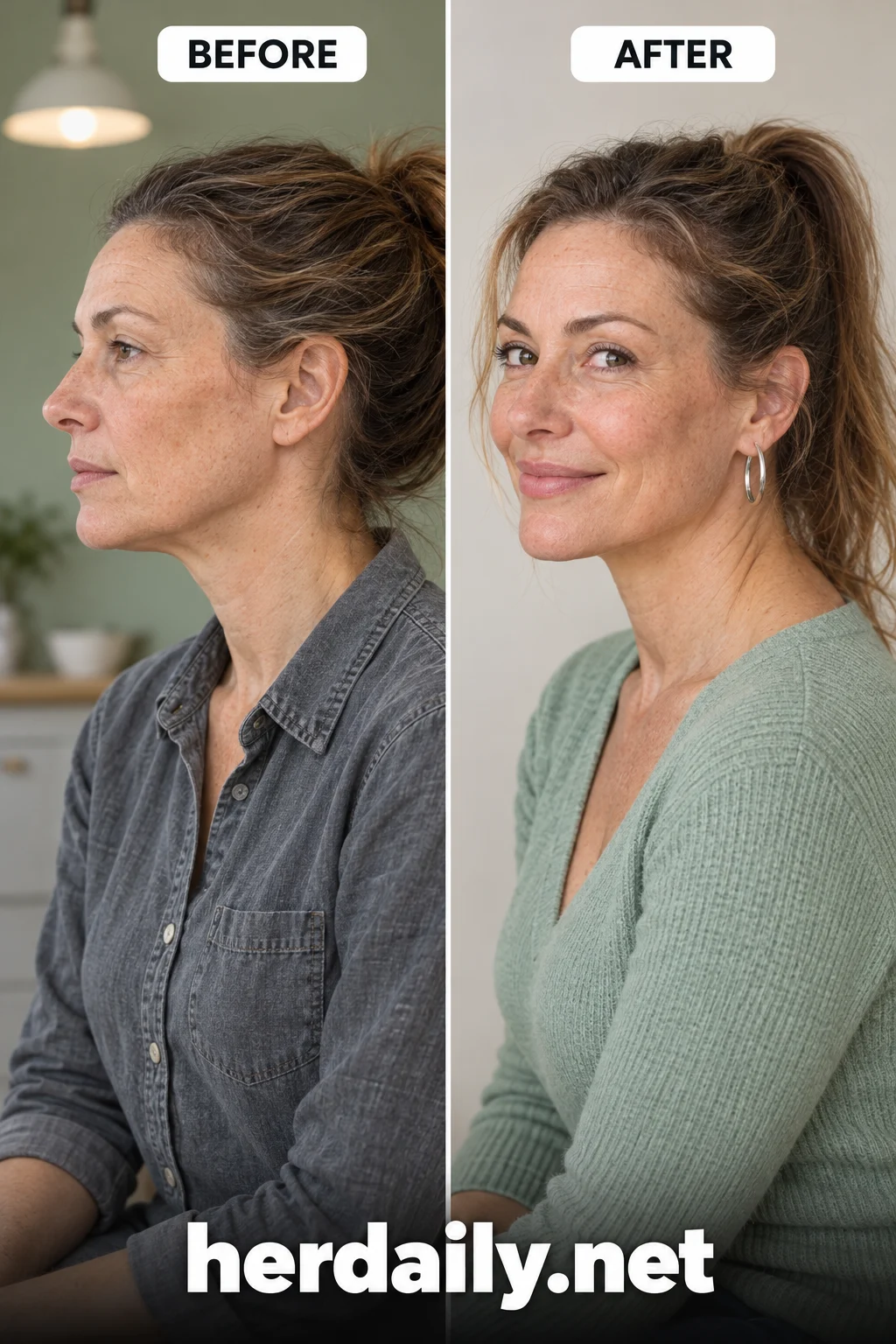
The so-called ponytail facelift uses small incisions hidden in the hairline at the temples to give the outer brows and upper cheeks a gentle upward sweep. It works best for younger patients with mild laxity. Because the incisions sit in the hair, a soft cut can hide them while they heal. Many of my readers lean on soft face-framing layers for the first few weeks.
11. Extended Facelift with Fat Transfer
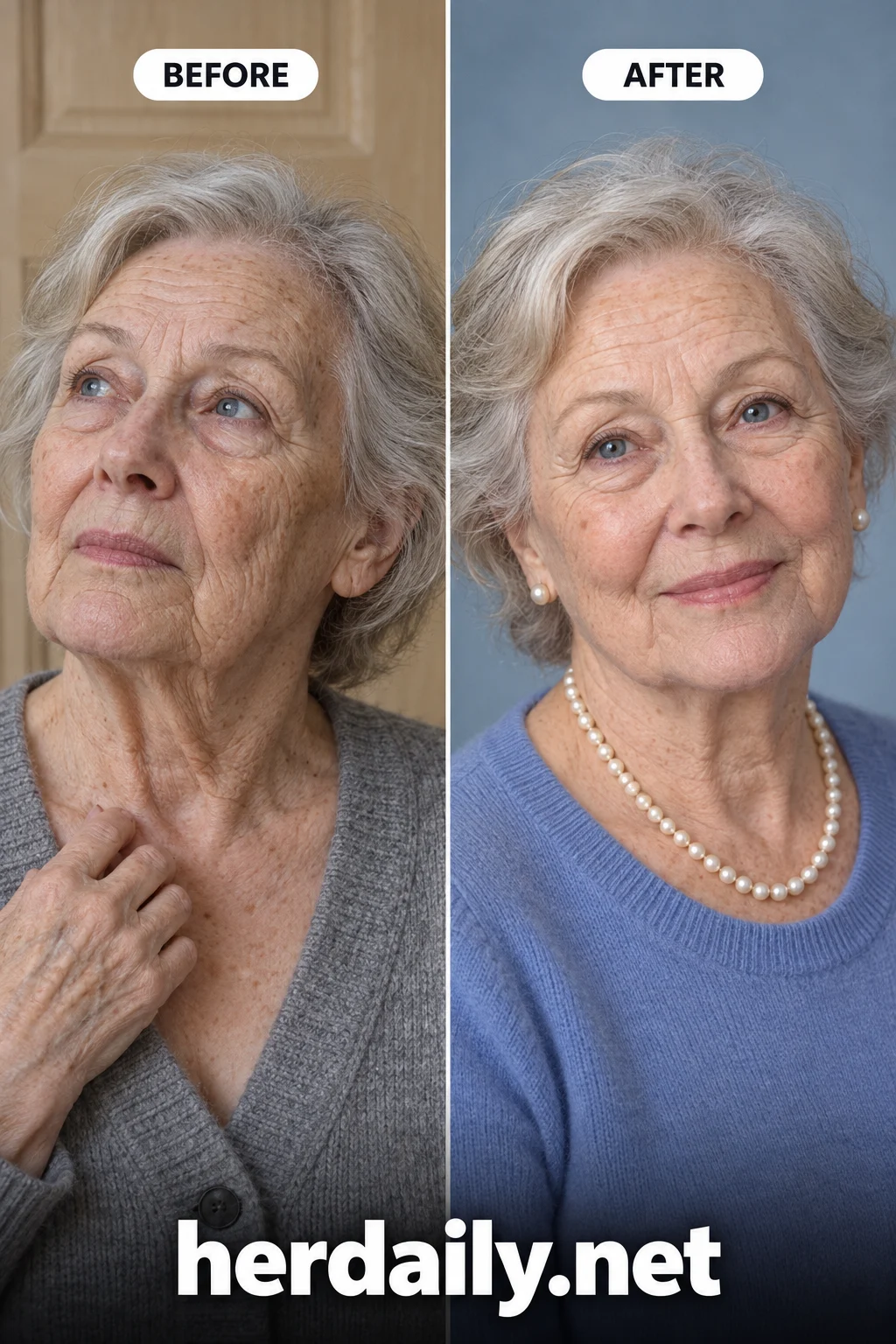
An extended facelift reaches further into the mid-face, and fat transfer restores the volume that lifting alone can’t bring back. Fat is gently harvested from the abdomen or thighs and placed in the cheeks, temples or under the eyes. The combination avoids that tight, hollow look. Expect some of the transferred fat to dissolve, so surgeons often slightly overcorrect at first.
12. Short Scar Facelift for a Clean Jaw
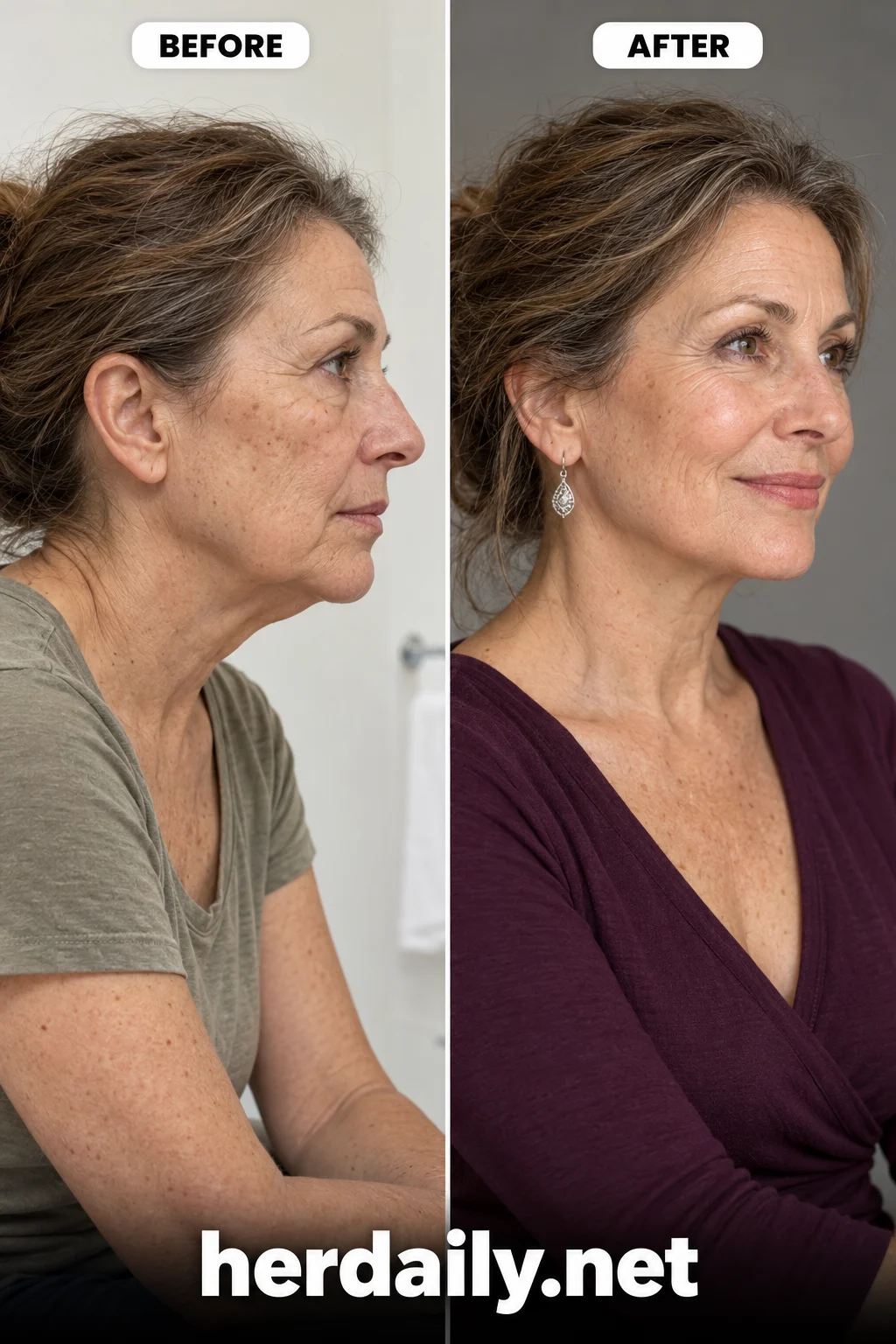
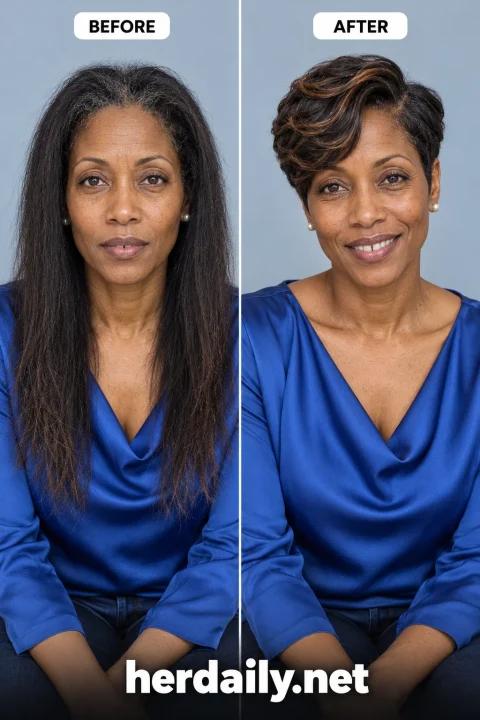
A short scar facelift keeps the incision mostly in front of the ear, avoiding the long scar behind it. It suits mild to moderate jowling and is popular with women who love wearing their hair short or pulled back. Once healed, the scars are usually very discreet. If you already wear one of the chic short haircuts I love, mention it at the consultation so your surgeon can plan incisions with your style in mind.
13. Liquid Facelift with Filler Contour

A liquid facelift uses dermal fillers, and often neuromodulators, to restore volume and lift strategically, with no surgery at all. Placing filler in the cheekbones, chin and jawline can create the impression of a lift. Results last roughly six to eighteen months depending on the product. Less is more here. An experienced injector will build gradually over several sessions.
14. Facelift with Lower Eyelid Lift

Adding a lower blepharoplasty to a facelift smooths under-eye bags and creates a seamless transition from lid to cheek. It is a common pairing because a refreshed jaw can make puffy lower lids look more noticeable. Recovery overlaps, so you only take one block of downtime. Bring good sunglasses for the first couple of weeks.
15. Jawline Mini Lift with a Sculpted Chin

Combining a mini lift with chin augmentation, by implant or filler, gives the lower face better structure and balance. A stronger chin also makes the neck look longer and the jawline crisper. It works well for women with a naturally small chin. Ask to see a profile simulation so you can judge the proportions before committing.
16. Gentle Full Facelift in the Late Seventies
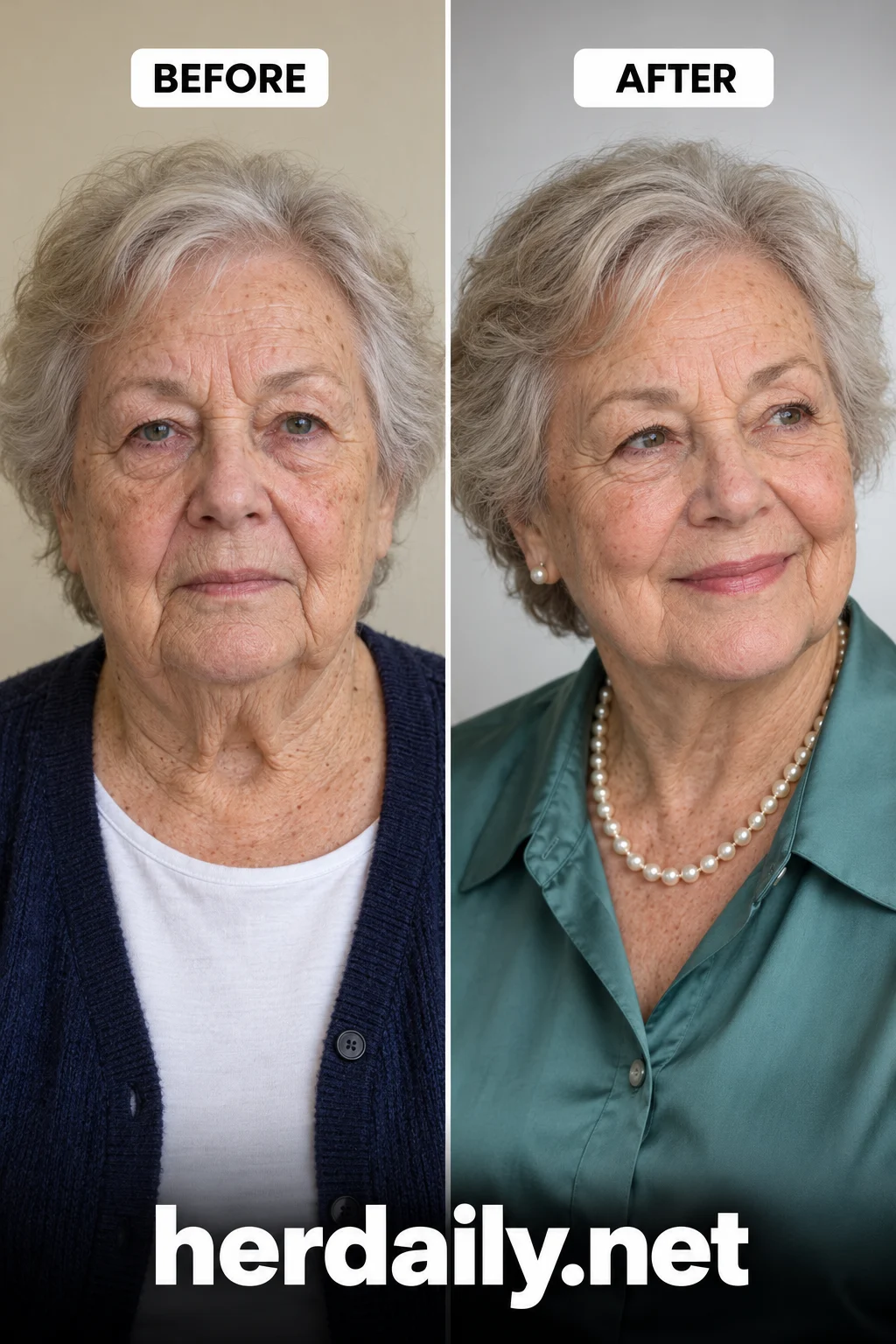
Age alone does not rule out a facelift. Healthy women in their 70s can have beautiful, gentle results, and the aim is a softer, rested version of yourself rather than a dramatic change. Surgeons will carefully review your heart health, medications and healing capacity first. Afterward, a fresh cut such as one of these flattering short hairstyles can beautifully frame the new jawline.
17. Deep Neck Lift with Chin Contour

A deep neck lift addresses structures beneath the muscle, such as deep fat or prominent glands, to sculpt a sharper angle under the chin. It is a specialized procedure, and not every surgeon performs it. When done well, the profile change can be striking. Because it is more involved, choose a surgeon who can show many examples of this specific technique.
18. Non-Surgical Ultrasound Facelift
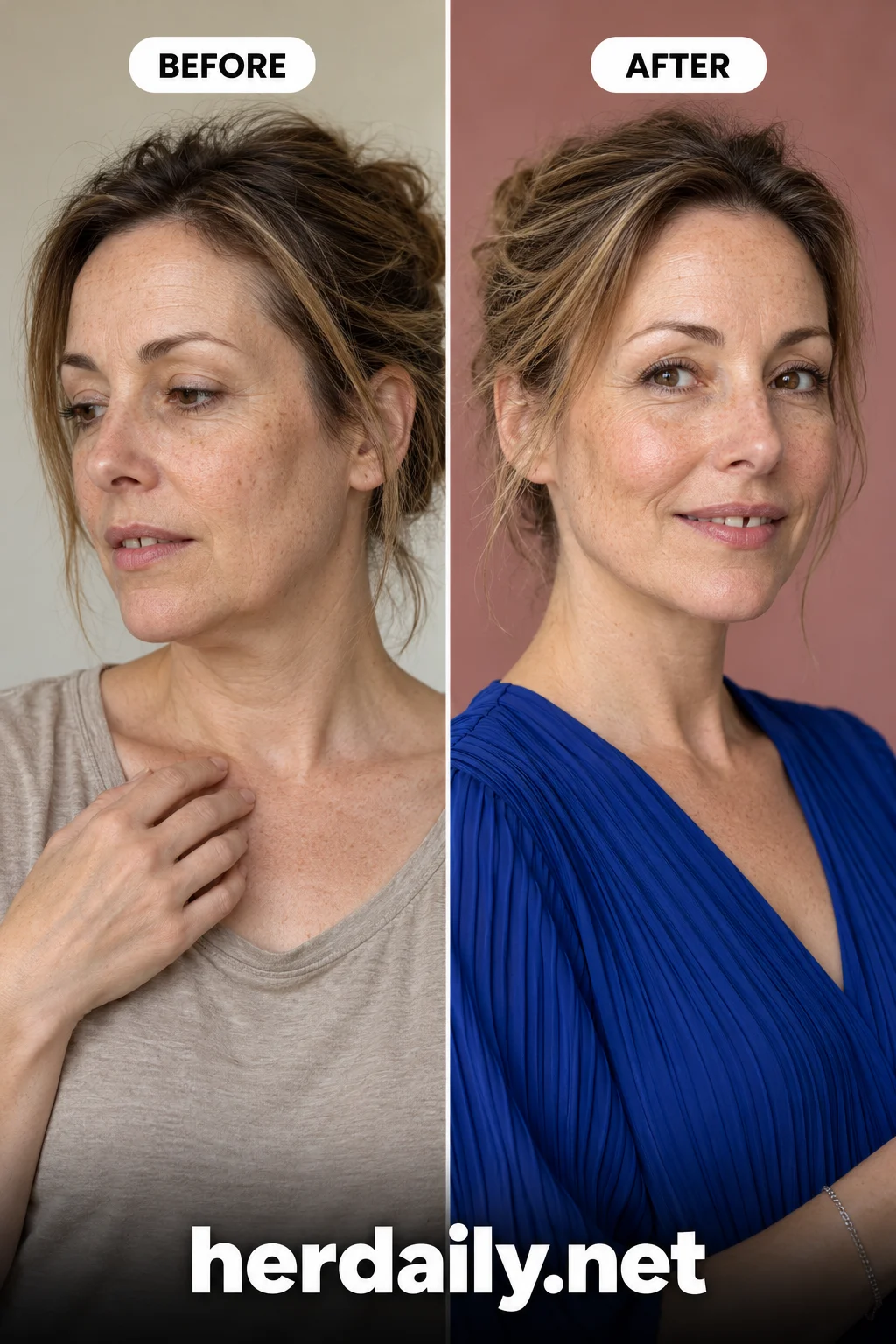
Focused ultrasound treatments heat the deeper layers of the skin to stimulate collagen and produce a modest tightening over two to three months. There is no downtime beyond some temporary redness or tenderness. It is best for women in their 40s with early laxity, or as maintenance after surgery. Keep expectations realistic: it firms and refines, but it does not replace a surgical lift.
19. Upper Facelift for Lifted Brows and Cheeks
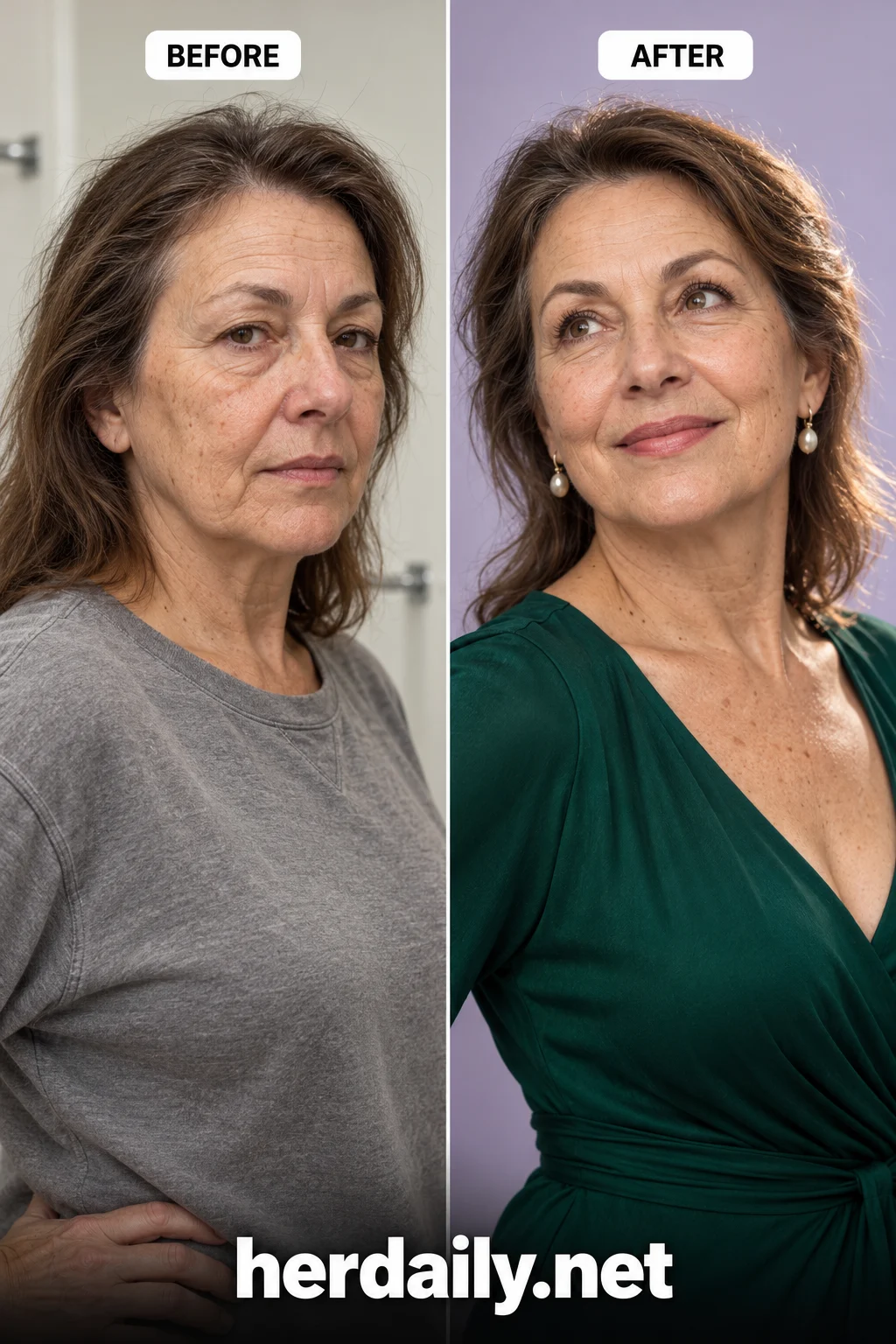
An upper facelift targets the forehead, brows, temples and upper cheeks, which is ideal when hooded brows and flattened cheeks are your main concern. It brightens the eyes and restores the high point of the cheekbone. Many women combine it with a lower facelift later. Ask your surgeon to show you, using a mirror, exactly which areas they would lift.
20. Mini Facelift with Fat Grafting to the Cheeks

This pairing lifts the jawline and restores soft fullness to hollow cheeks. Together they give a youthful, heart-shaped contour without a long recovery. It suits women whose faces have thinned with age or weight loss. Keep your weight stable afterward, because grafted fat can change along with the rest of your body.
How to Read a Facelift Before and After Photo
After years of reviewing surgeon portfolios, I have learned that photos can flatter or mislead. Here is what I look for:
- Matching lighting, angle and expression in both shots. Changes in light or makeup can fake a lift.
- Profile and three-quarter views, not just the front. The jawline and neck tell the truth from the side.
- Timing. Photos taken at least six to twelve months after surgery show settled results.
- Patients who resemble you in age, skin type and starting point.
- Natural details such as earlobe shape, hairline position and smooth, unpulled skin around the mouth.
Choosing the Right Surgeon and Procedure
The surgeon matters more than the name of the technique. Look for board certification in plastic surgery or facial plastic surgery, hospital privileges and an accredited operating facility. I always suggest booking at least two or three consultations. Notice who listens to your goals and who rushes to sell you extras.
- Ask how many facelifts they perform each month and which technique they prefer for faces like yours.
- Ask what anesthesia is used and who administers it.
- Ask about the risks, including bleeding, nerve injury, scarring and hair loss near incisions, and how complications are handled.
- Get the full cost in writing: surgeon, facility, anesthesia and follow-up care.
- Be honest about smoking, vaping, blood thinners, supplements and medical history. These directly affect safety and healing.
What Suits You in Your 40s, 50s and 60+
In your 40s: Changes are usually early: a softening jaw, slight hollowing in the cheeks and a little tiredness around the eyes. Non-surgical options such as ultrasound tightening, thread lifts or well-placed filler often make sense first. If jowls are appearing early, a mini or ponytail lift can give longer-lasting results with modest downtime. Good skincare and daily sunscreen do a great deal of the heavy lifting at this stage.
In your 50s: This is when many women consider surgery seriously. Hormonal changes around menopause can speed up collagen loss, and the lower face and neck often show it most. SMAS lifts, lower face and neck lifts and deep plane techniques are common choices. Pairing a lift with fat grafting or eyelid surgery can keep the whole face balanced.
In your 60s and beyond: Full and deep plane facelifts with neck work tend to give the most meaningful change. Your general health matters more than your birthday. Expect a thorough medical clearance and a slightly slower recovery. Many women in this group tell me the goal is simply to look as energetic as they feel, and that is a wonderful, realistic target.
Face shape also plays a role. Fuller, rounder faces often benefit from neck and jawline definition plus careful fat reduction. Your hairstylist can help too. The tricks in my piece on styles for round faces work beautifully alongside a refreshed jawline. Longer, narrower faces often look best with added cheek volume rather than more pulling.
Recovery and Keeping Your Results Looking Good
- Follow your surgeon’s aftercare instructions exactly, especially on head elevation, compression garments and medications.
- Arrange help at home for the first few days, and avoid bending, heavy lifting and strenuous exercise until you are cleared.
- Expect swelling to fluctuate for weeks. The final result often takes six months to a year.
- Protect your skin and scars from the sun with a broad-spectrum SPF every day.
- Keep a steady weight, stay hydrated and don’t smoke, since smoking harms healing and speeds skin aging.
- Maintain results with a retinoid, if your doctor approves, plus occasional skin treatments.
- Contact your surgeon right away if you notice sudden one-sided swelling, increasing pain, fever or trouble breathing.
The emotional side matters too. Many women feel a dip in mood in the first week or two, when they are bruised and swollen and can’t yet see the outcome. That is normal and usually passes. Lean on a friend, keep mirrors to a minimum and trust the timeline.
Facelift Before and After FAQ
How long do facelift results last?
Surgical facelifts typically last around seven to fifteen years, depending on the technique, your skin quality and your lifestyle. You keep aging, but from a refreshed starting point. Non-surgical options last months to a couple of years.
What is the best age for a facelift?
There is no single best age. Most patients are between their late 40s and 60s, but the right time is when the laxity bothers you and you are healthy enough for surgery.
Will people be able to tell I had work done?
Modern techniques that reposition deeper tissue, rather than just pulling skin, tend to look natural. Most people will simply think you look well rested. Choosing a surgeon whose photos look natural to you is the best safeguard.
How much downtime should I plan for?
Plan for about one week for a mini lift and two to three weeks for a full or deep plane facelift before you feel comfortable in public. Non-surgical treatments usually need little or no downtime.
Can non-surgical treatments replace a facelift?
They can delay surgery and improve mild laxity, but they cannot remove excess skin or reposition deep tissue the way surgery does. For moderate to advanced sagging, surgery gives the most noticeable result.
Are facelift scars noticeable?
Incisions are placed in natural creases around the ear and in the hairline. Once healed, they are usually very discreet, although healing varies from person to person.
Final Thoughts
A great facelift before and after story isn’t about erasing your age. It’s about letting your face reflect how vibrant you feel. Whether you are curious about a subtle thread lift in your 40s, a lower face and neck lift in your 50s or a gentle full facelift at 70, the most important steps never change. Do your research, choose a board-certified surgeon you trust, keep your expectations realistic and give yourself time to heal. Your face, your choice, your timeline.
Found these ideas helpful? Save this post to your Pinterest beauty or self-care board so it’s ready when you book your first consultation, and share it with a friend who has been wondering too.
6 views


Leave a Reply