One email keeps arriving from readers in their 40s, 50s and even 60s: I thought acne was a teenage problem, so why is it happening to me now? Adult acne is real, common and frustrating. For women with stubborn, scarring or cystic breakouts that have not responded to anything else, isotretinoin, still widely known by the old brand name Accutane, can change everything. This accutane before and after collection walks through 20 results by area of the face and body, with the honest, practical advice I wish someone had given me.
A quick but important note. The photos here are illustrative examples of the kinds of change isotretinoin can bring. They are not promises. Isotretinoin is a prescription-only medication with serious possible side effects and strict pregnancy rules, so every decision about it belongs with a board-certified dermatologist. Bookmark this collection so you can come back to it before your consultation, during treatment and afterward.
1. Clear, Calm Satin Cheeks
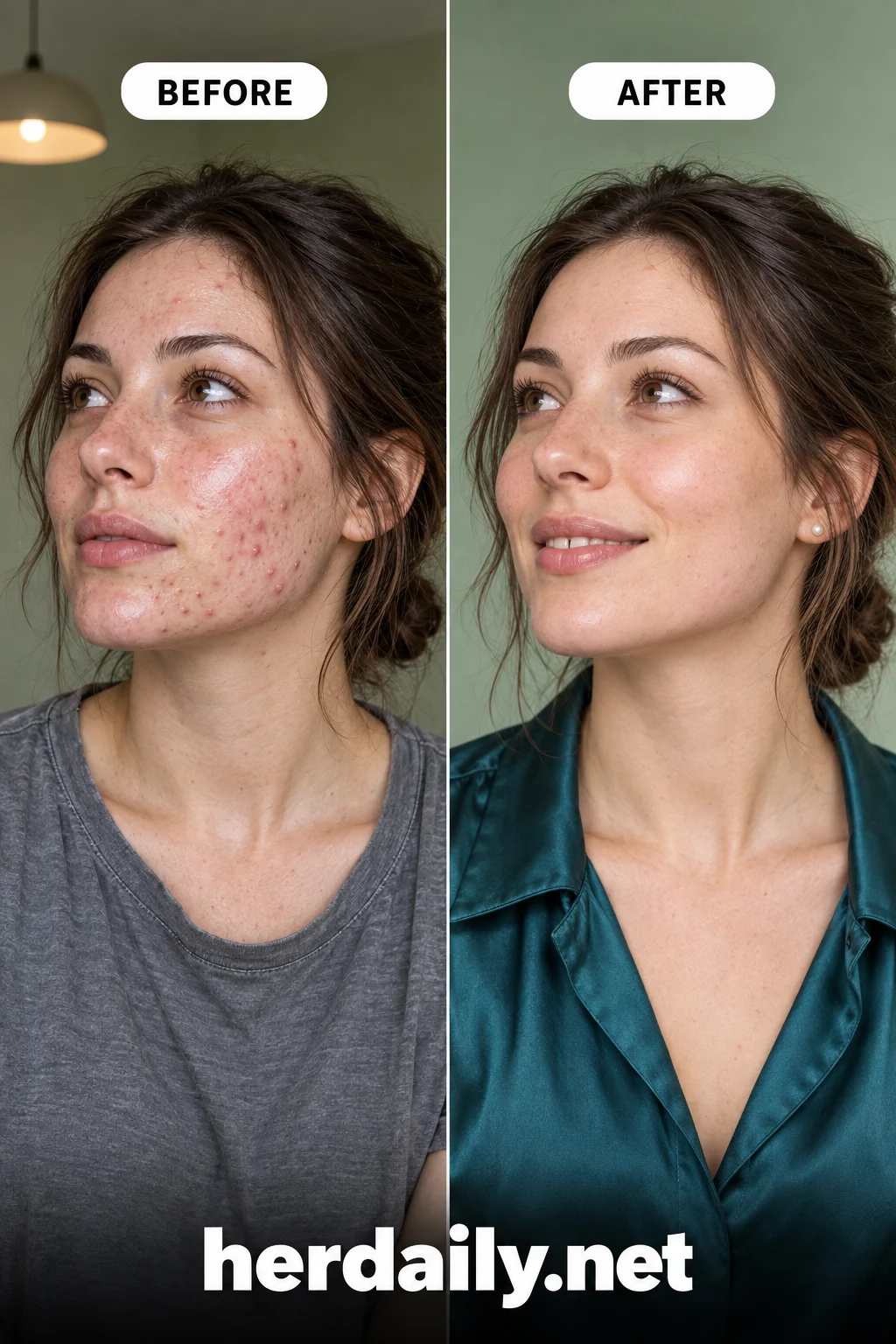
This is the result most women picture: cheeks that move from inflamed and bumpy to calm, even and softly satin. Isotretinoin shrinks the oil glands and reduces the oil that feeds breakouts, which is why the cheeks often look less shiny as well as clearer. My tip is to swap any foaming cleanser for a creamy, fragrance-free one from week one, because drier skin can look dull rather than satin.
2. Smooth, Clear Hormonal Jawline
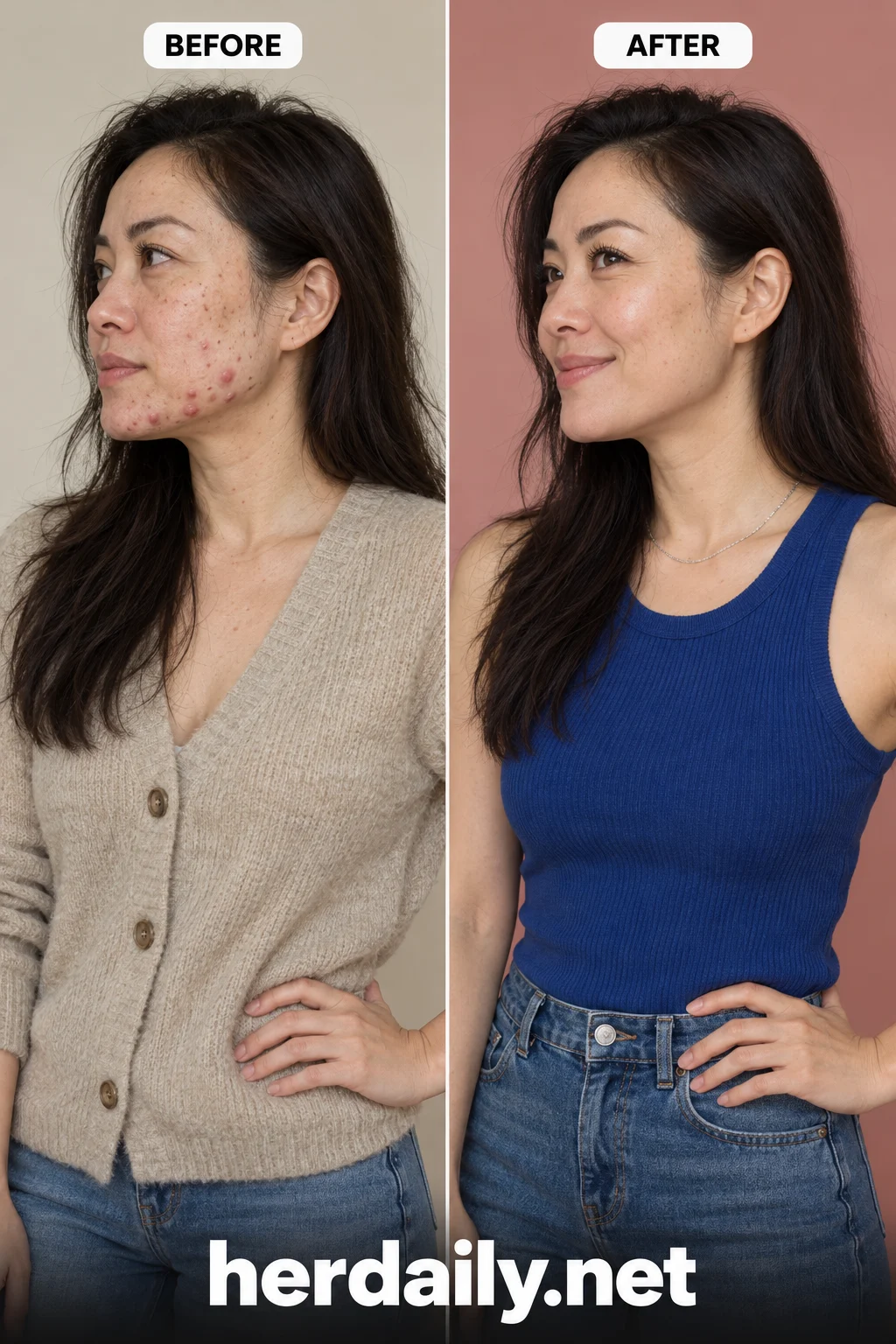
Deep, tender bumps along the jaw are the classic sign of hormonal adult acne, and they are often what sends women in their 40s to a dermatologist. When spironolactone, birth control or topicals have not been enough, isotretinoin can clear the jawline, although some doctors pair or follow it with hormonal therapy. Ask your dermatologist whether a maintenance plan makes sense for you, since hormonal flares can return around perimenopause.
3. Smooth, Clear Forehead and Hairline
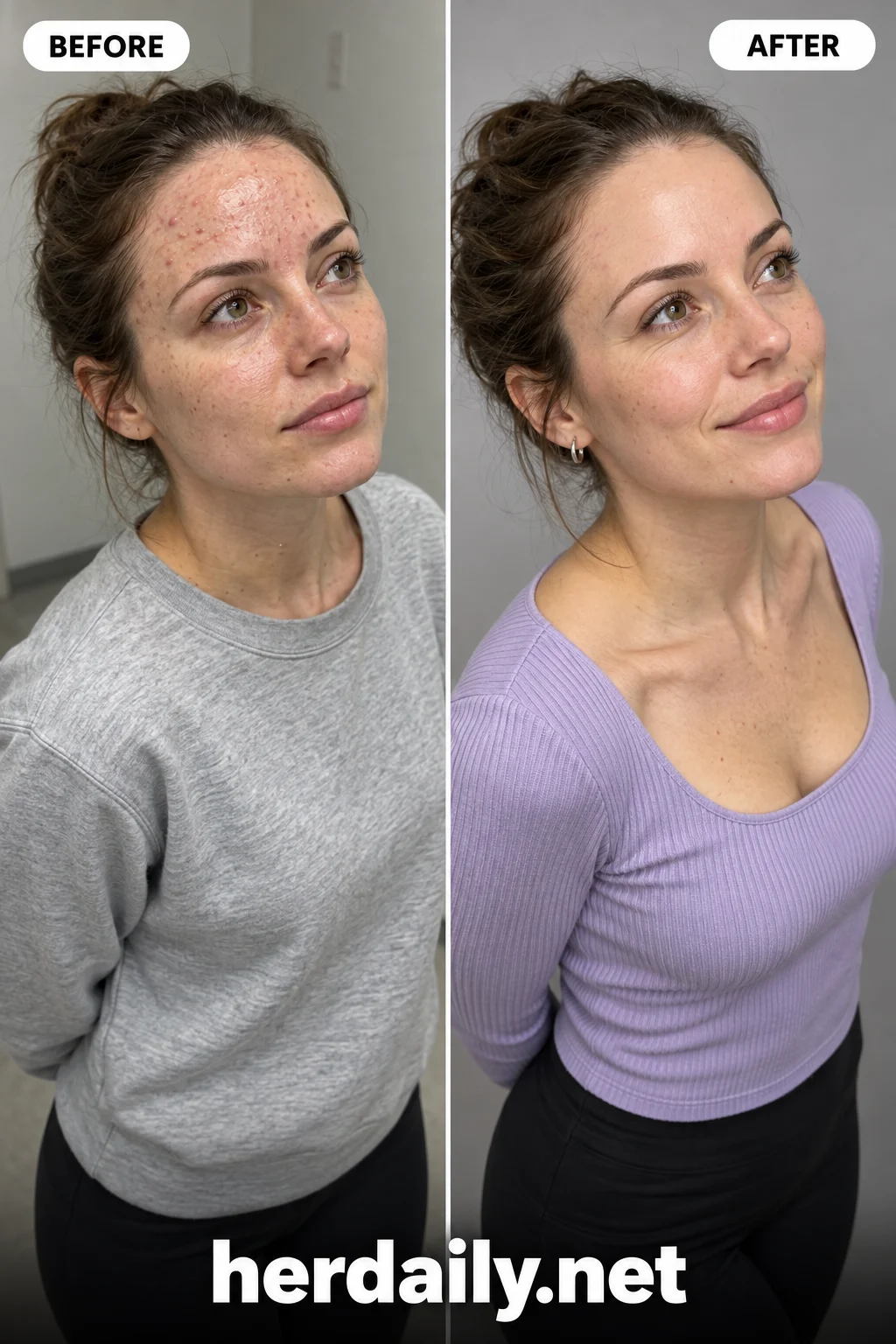
Small bumps along the forehead and hairline can make you hide behind a fringe. With treatment, the texture usually flattens and the skin looks smoother under light. Look closely at your hair products during treatment: heavy oils, silicone serums and dry shampoo near the hairline can still clog pores, so keep them off the skin.
4. Refined Nose Pores and Clear Cheek

Because isotretinoin reduces oil, pores on the nose and inner cheeks often look noticeably smaller during and after a course. They do not vanish, and they can creep back as oil production partly returns. Resist pore strips and harsh scrubs while on the medication, because the skin becomes fragile and tears more easily.
5. Full-Face Clear Skin
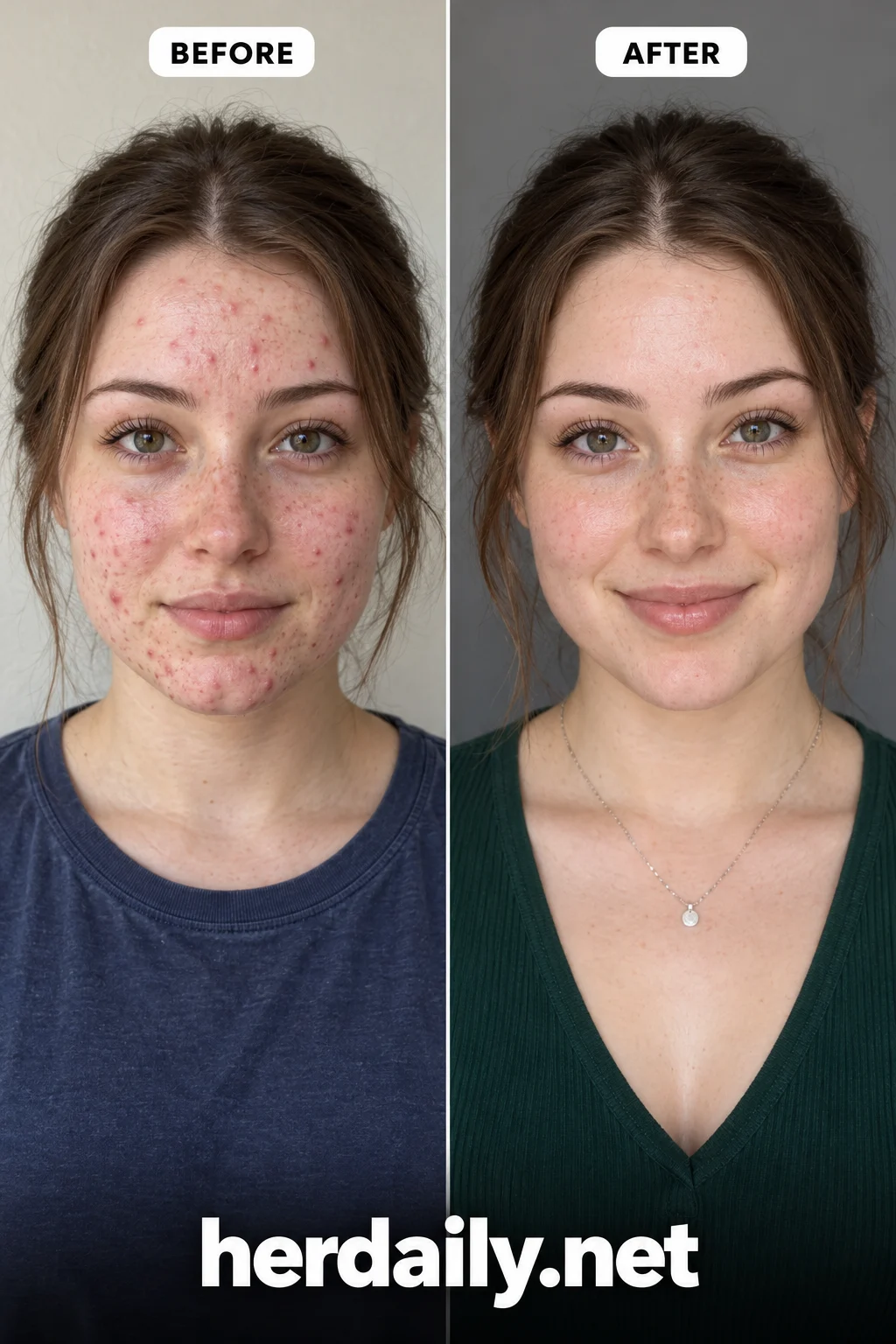
This is the overall transformation: a face that looks rested and even, so it is no longer defined by breakouts. Most courses last several months, and many women see a flare or little change in the first weeks before steady improvement. Take a photo in the same spot and light every two weeks. Progress is slow enough that you will not notice it in the mirror.
6. Clear Chest and Neckline
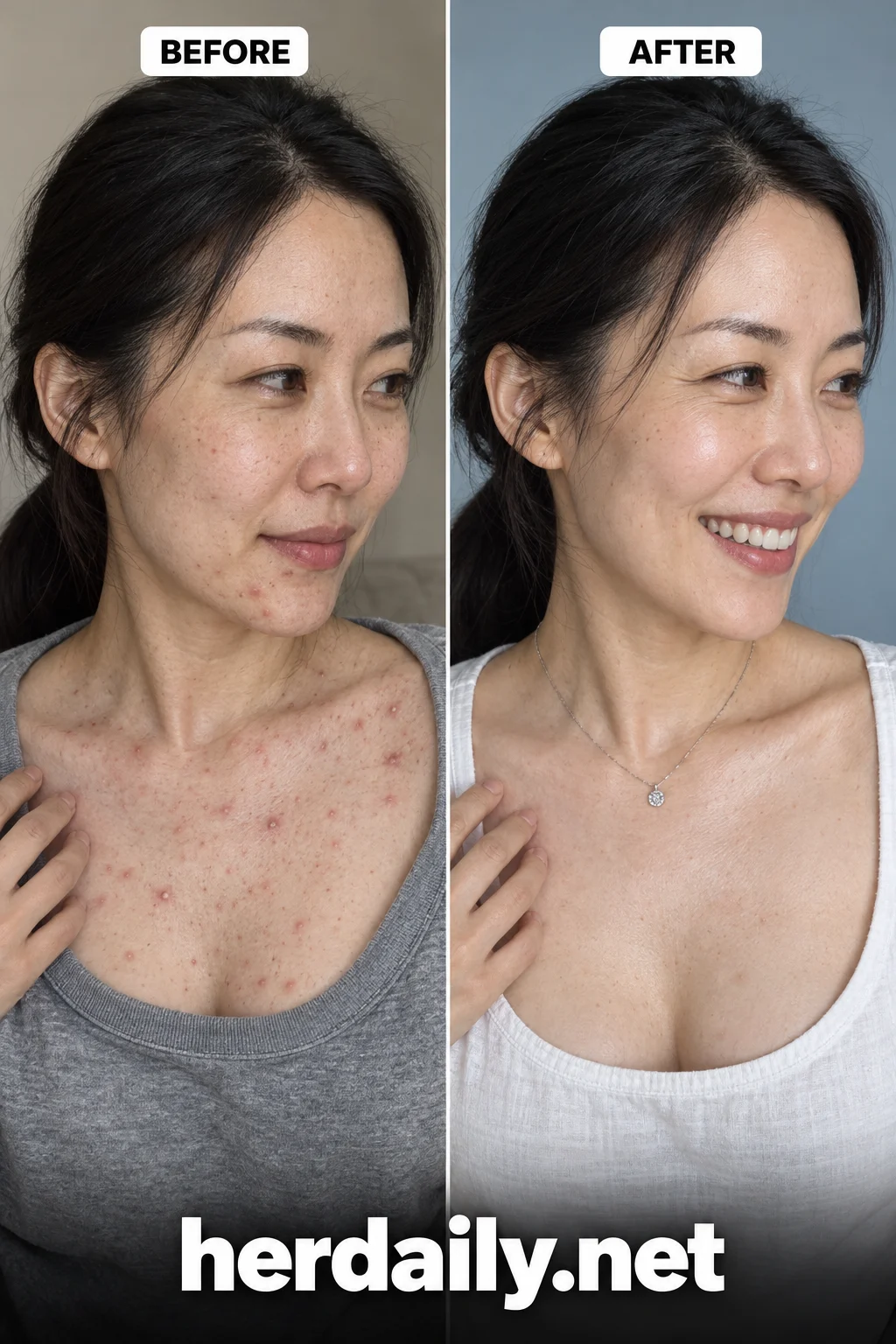
Chest acne makes many of us give up V-necks and open collars. Isotretinoin treats body acne too, so the neckline can clear alongside the face. Wear breathable cotton, change out of sweaty tops quickly and apply sunscreen to the chest. Skin there tends to darken with marks and sun.
7. Clear, Smooth Bare Shoulders
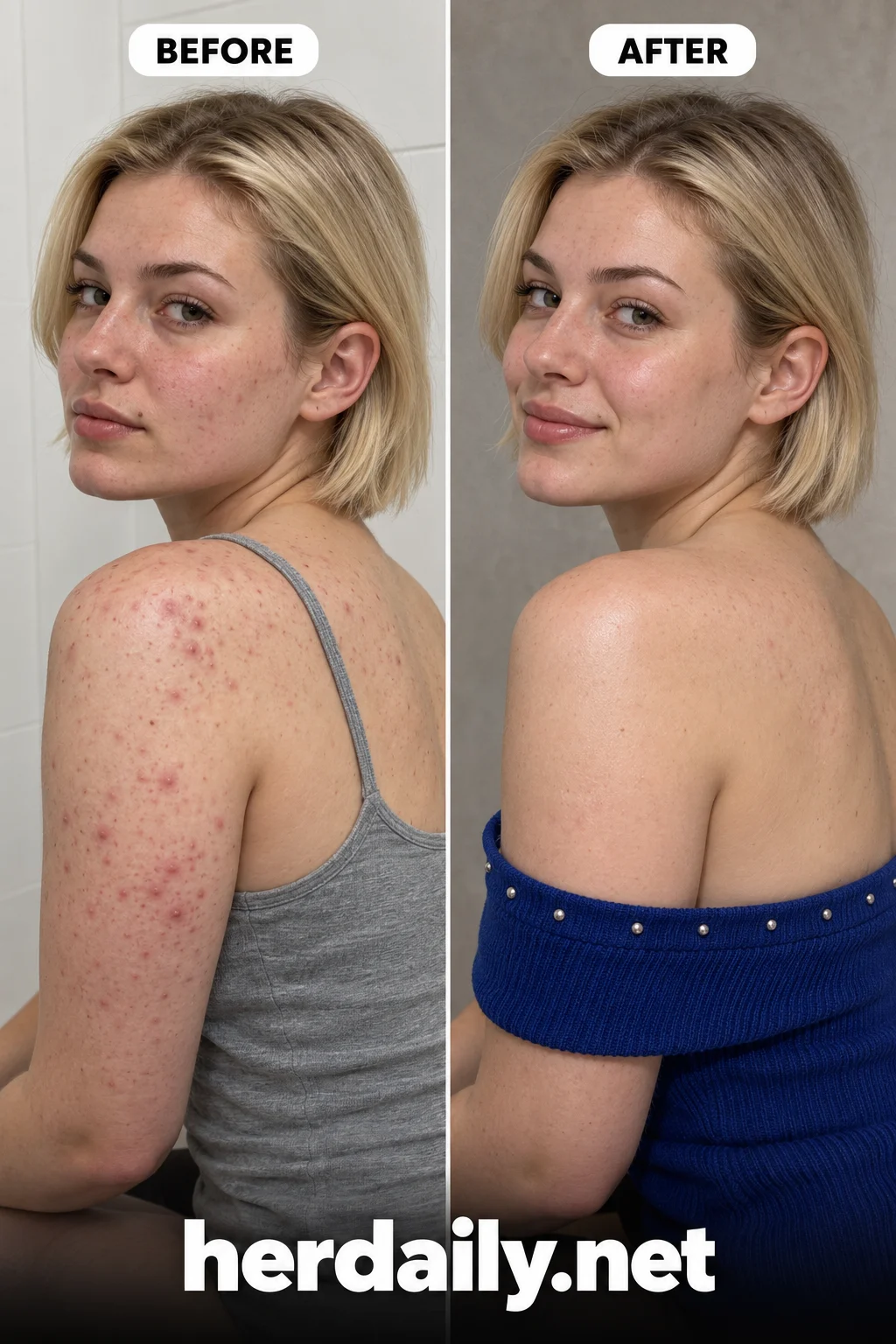
Shoulder and upper back breakouts often get overlooked until summer. A course of isotretinoin can leave the shoulders smooth enough for a sleeveless dress again. Bra straps and backpack straps rub against these areas, so choose soft, wide straps while your skin is more delicate.
8. Clear, Calm Chin and Mouth

The chin and the skin around the mouth tend to flare with hormones and stress, so clearing them makes a big difference to how you feel day to day. Expect very dry, chapped lips. This is the most common side effect. Keep a thick, plain lip balm in every bag and on your nightstand, and reapply it often.
9. Flattened Cysts and a Smooth Cheek
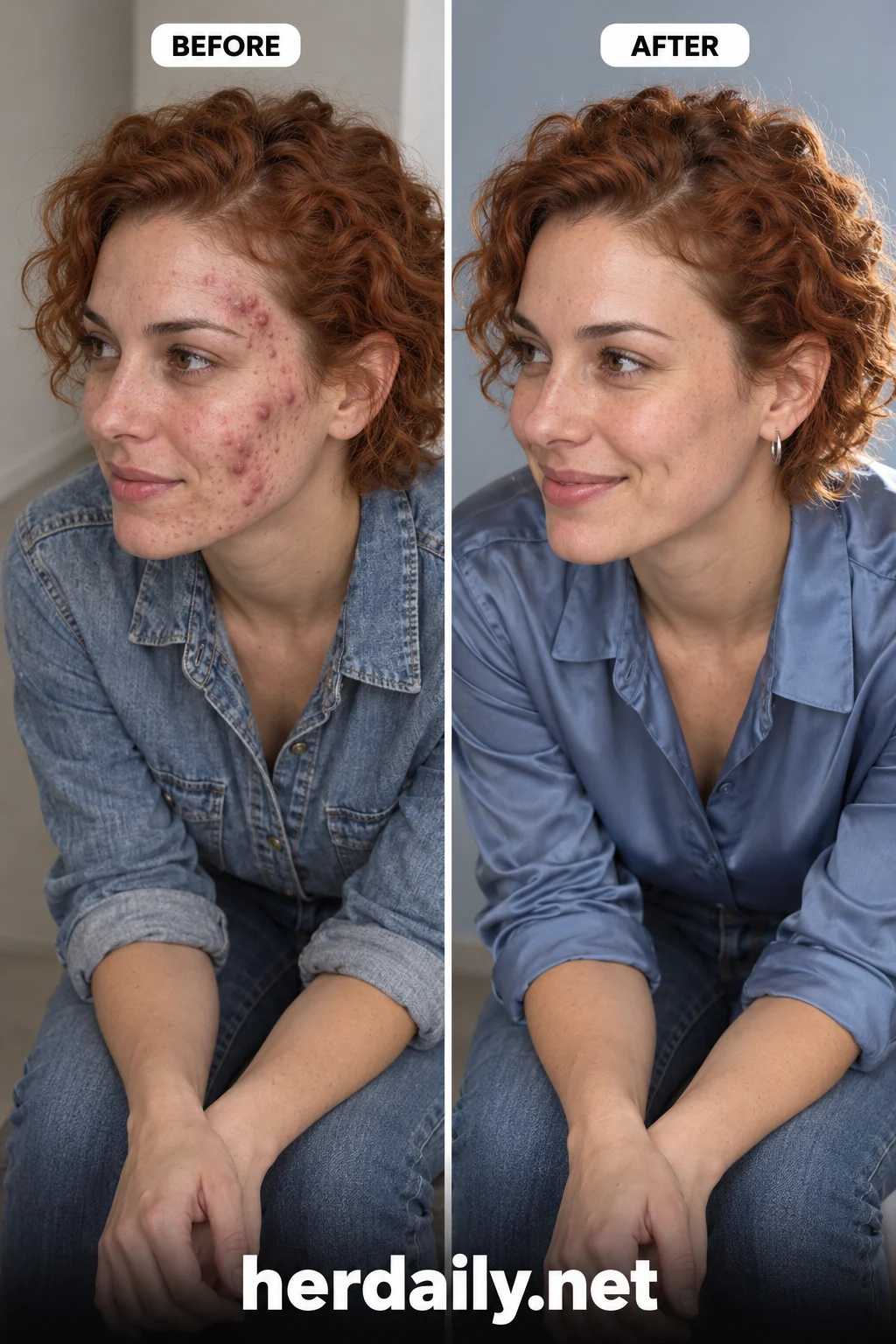
Painful cysts that sit under the skin for weeks are exactly what isotretinoin was developed for. As the cysts flatten, the risk of new deep scarring drops, which is the strongest argument for treating severe acne early. Never squeeze or pick a cyst. If one is very painful, ask your dermatologist about a quick steroid injection.
10. Clear Temple and Jaw Near the Ear
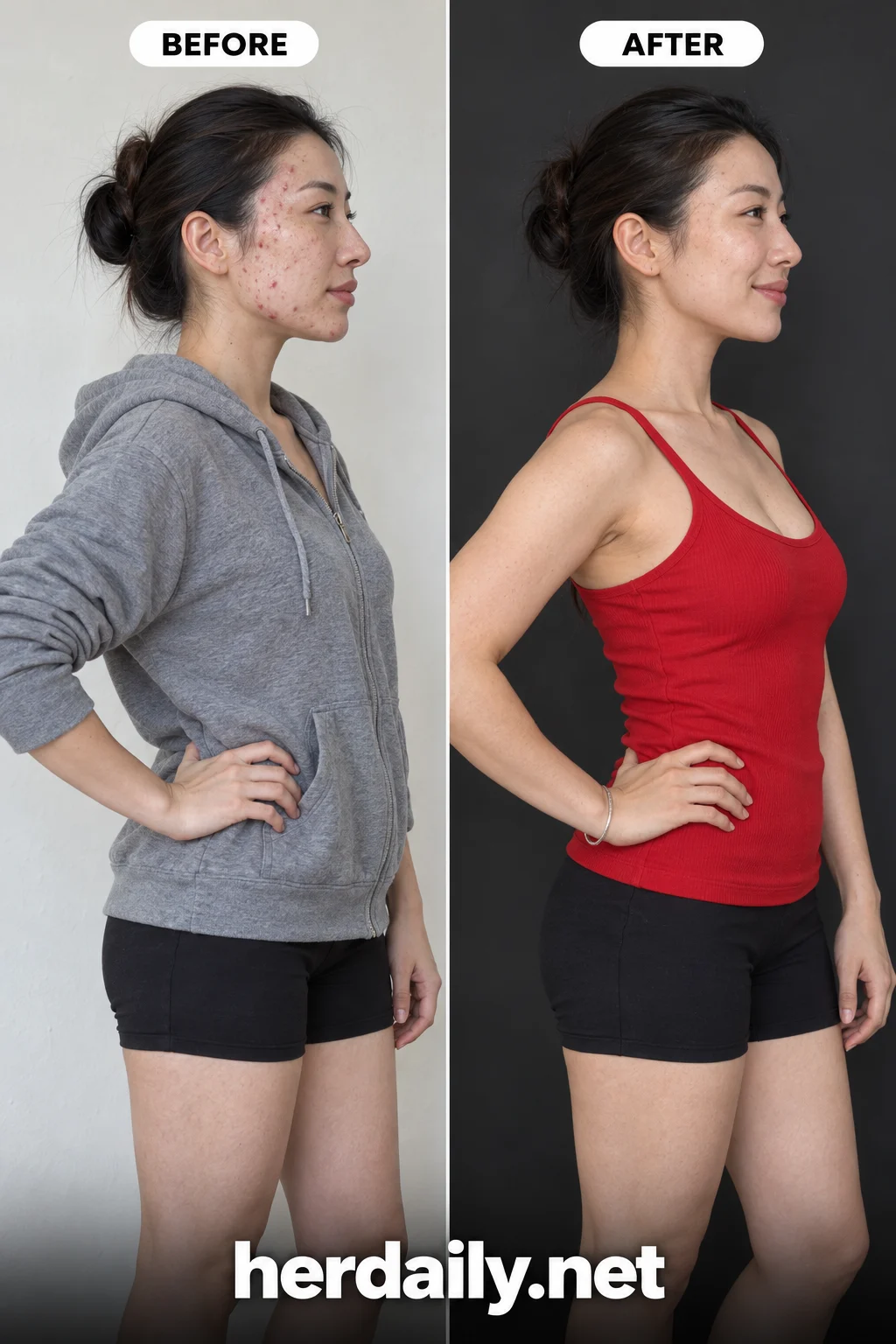
Breakouts near the ear and temple are easy to miss and often linked to phones, headphones and pillowcases. Once these clear, the side profile looks clean and calm. Wipe your phone daily and change pillowcases twice a week, both during and after treatment.
11. Even-Toned Cheek with Faded Marks

Clear skin is step one. Fading the red and brown marks that breakouts leave behind is step two, and it often takes months longer. Daily broad-spectrum SPF 30 or higher is the single most effective thing you can do, because isotretinoin makes skin more sun-sensitive and the sun deepens marks.
12. Balanced, Clear Brow and T-Zone
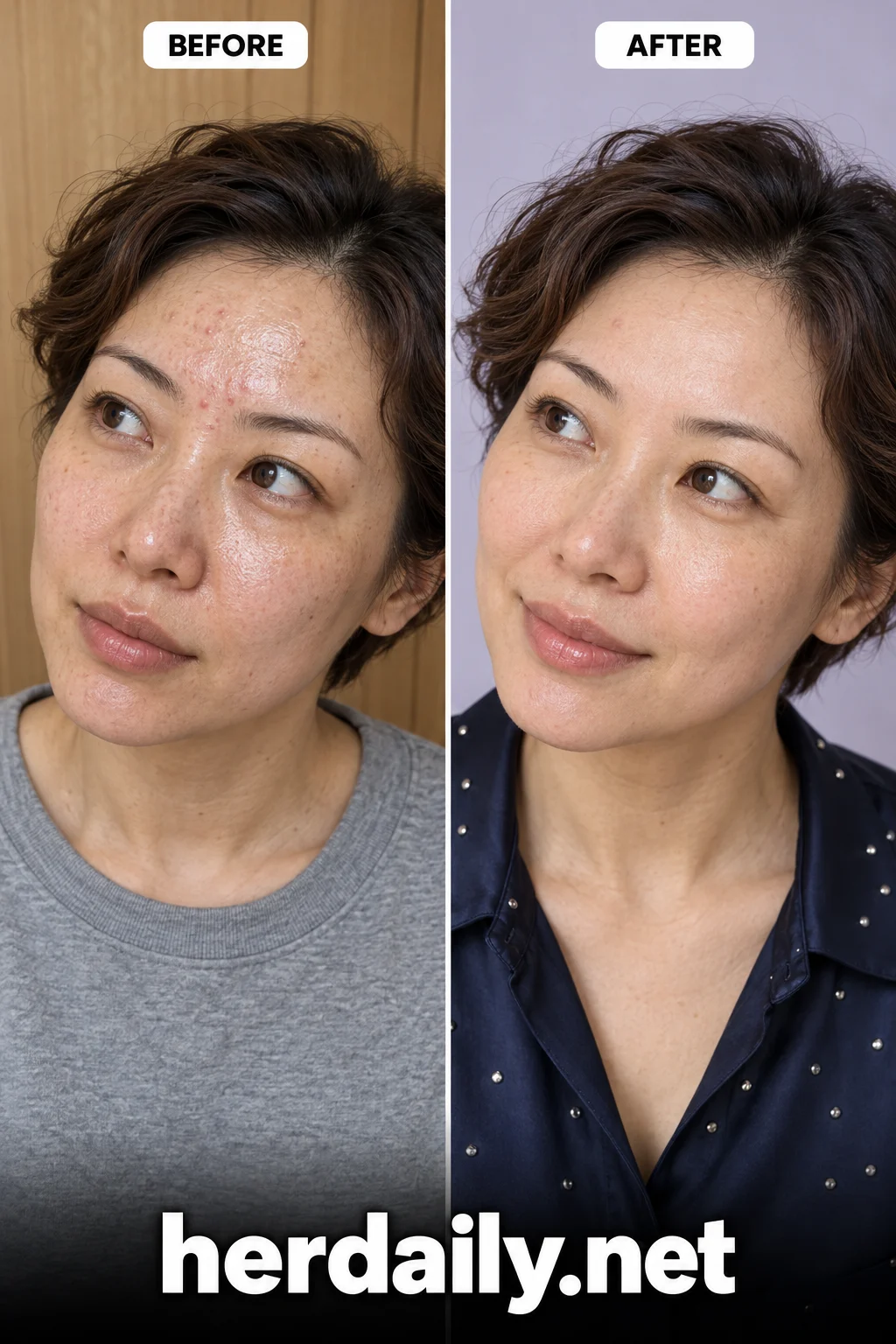
An oily T-zone with clogged brow bumps can become balanced and matte-looking without blotting papers. Many women find their skin stays less oily for a long time after a course, though results vary. Skip waxing on the brows and face during treatment and for several months afterward, as the skin can lift and tear. Ask your dermatologist when it is safe to start again.
13. Clear Jawline and Neck

For many women over 40, acne slides down from the jaw onto the neck, which is uncomfortable and hard to cover. Isotretinoin can clear both areas together. Extend your moisturizer and sunscreen down the neck every day. This skin is thinner and shows dryness and sun damage quickly.
14. Clear Cheek with Fading Dark Marks
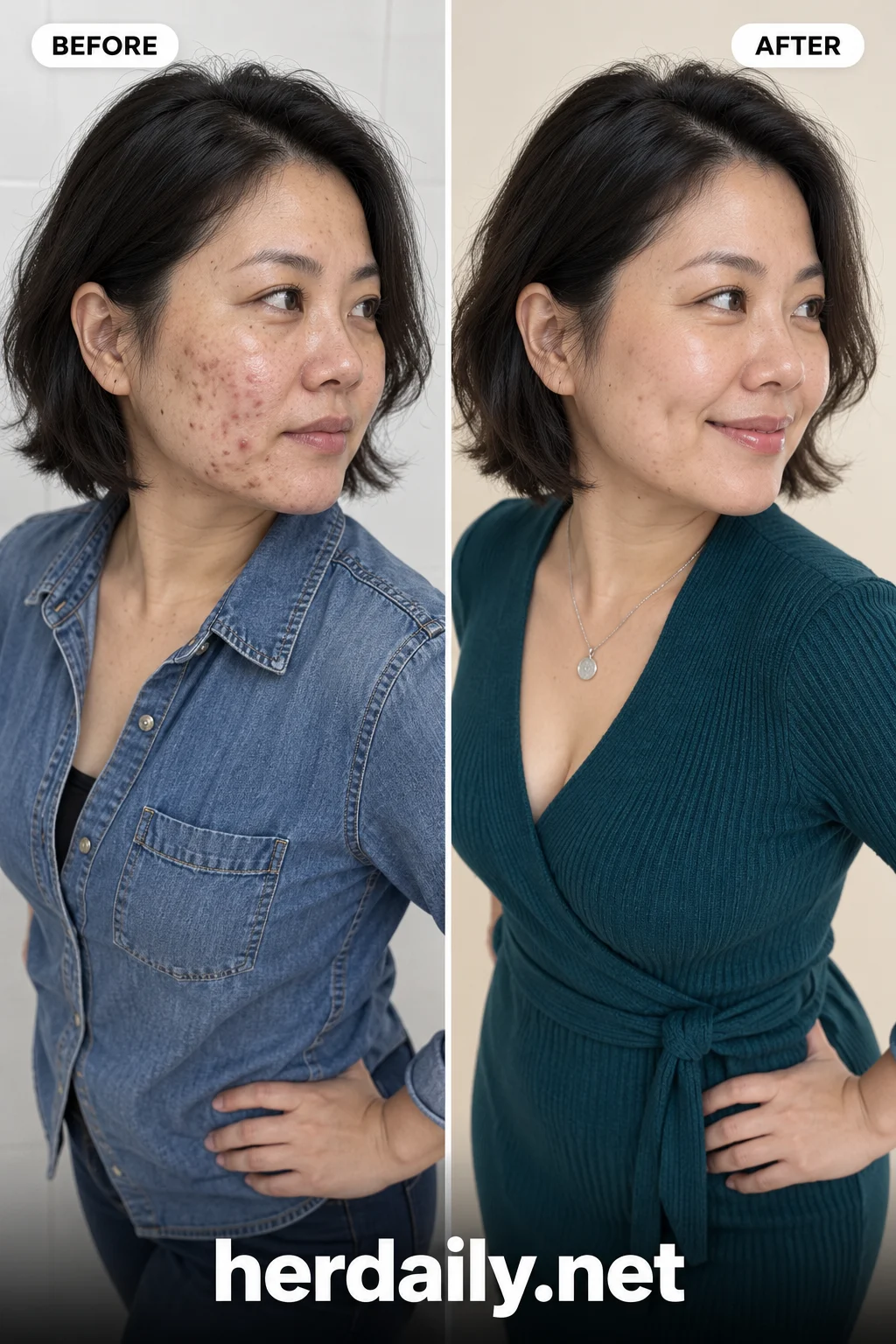
On deeper skin tones, breakouts often leave brown post-inflammatory hyperpigmentation that can outlast the acne itself. Once the breakouts stop, these marks fade gradually. After your course, a dermatologist may suggest azelaic acid, a gentle vitamin C or other brighteners. Hold off on strong exfoliating acids while on the medication.
15. Smooth Chin and Lower Cheeks
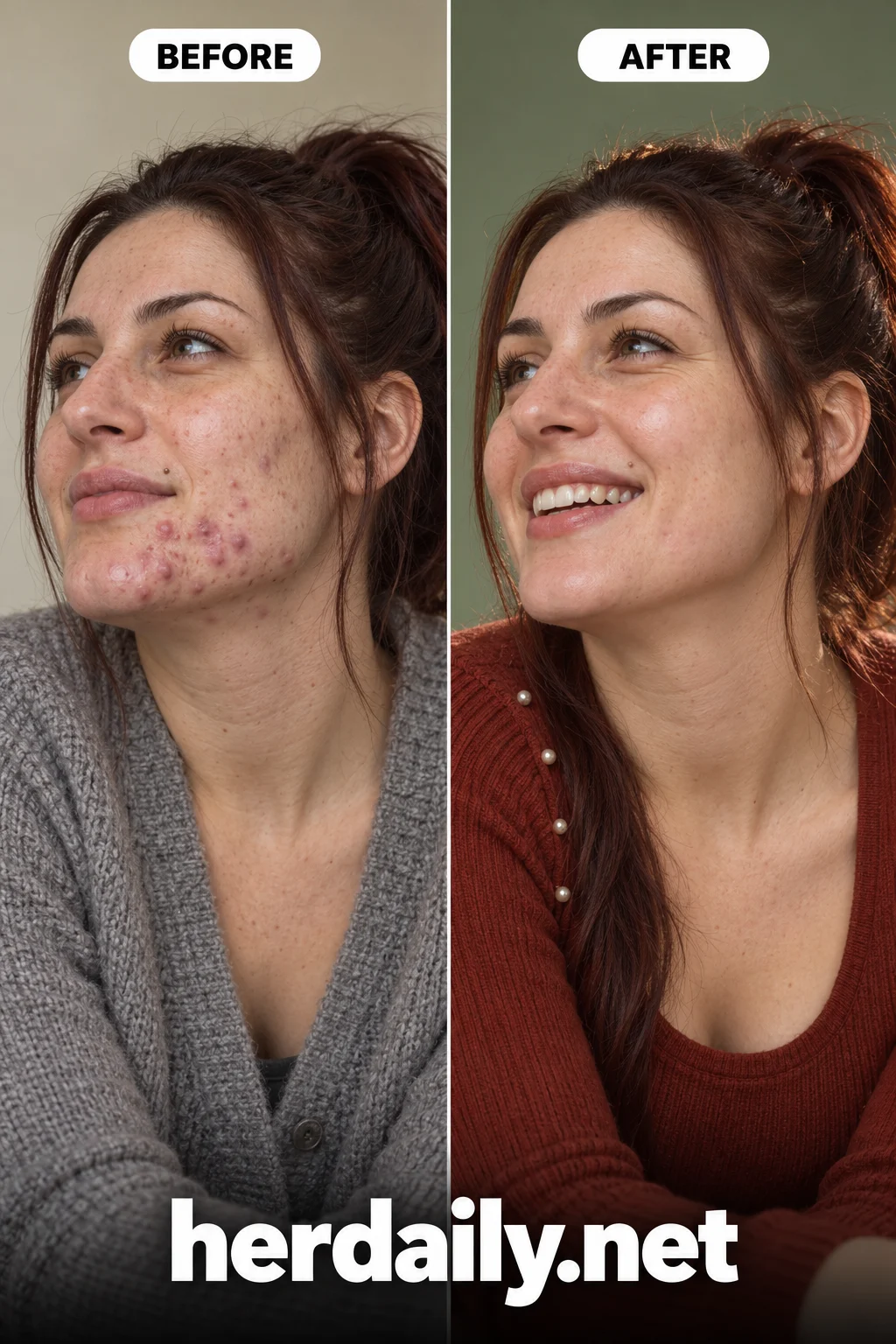
The lower face is where hormonal acne loves to cluster, especially in perimenopause. A smooth chin and lower cheeks also make makeup sit far better, with no more concealer catching on bumps. During treatment, use a hydrating, skin-tint style base instead of a heavy matte foundation, which can cling to dry patches.
16. Smooth Forehead and Temples
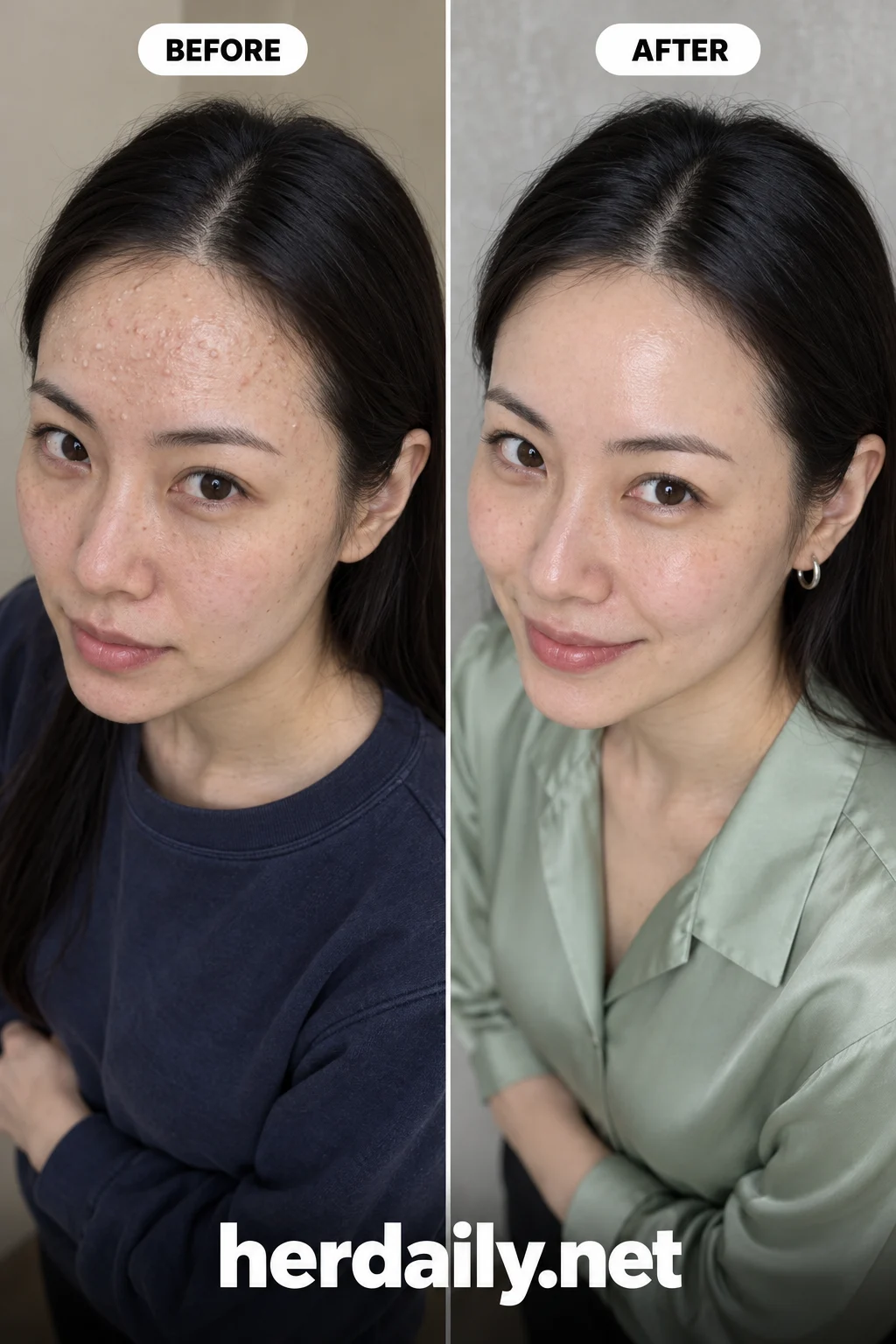
Tiny closed comedones across the forehead give a rough, sandpaper texture that is hard to treat with creams alone. Isotretinoin often smooths this texture remarkably well. Wear a wide-brimmed hat outdoors, because the forehead takes the most direct sun and sensitized skin burns faster than you expect.
17. Clear Nose and Profile Cheek

In profile, a clear nose and cheek show off the real payoff: smooth texture rather than just fewer spots. Dryness inside the nose is common and can cause minor nosebleeds. A dab of petroleum jelly just inside the nostrils and a bedroom humidifier help a lot.
18. Clear, Smooth Upper Arms and Shoulders
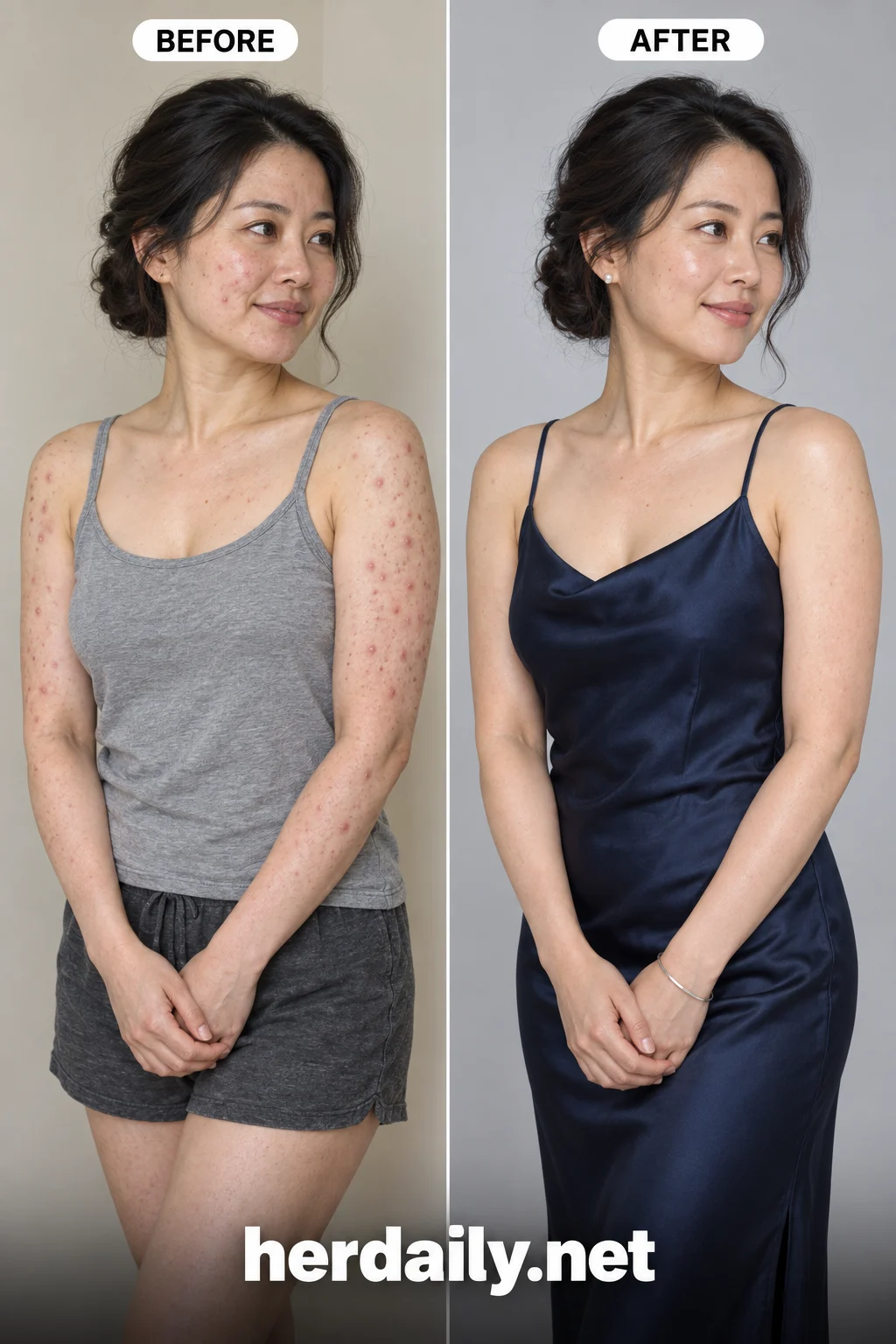
Acne on the upper arms and shoulders can clear with treatment. It is worth checking that those bumps are acne at all, though, because keratosis pilaris looks similar and is treated differently. Ask your dermatologist to look at them. Use a rich, fragrance-free body cream right after showering, because body skin also dries out on isotretinoin.
19. Clear Cheeks with Softened Scars

Isotretinoin stops new acne, but it does not erase existing indented scars. Some scars soften as inflammation settles, and the rest can be improved with in-office treatments. Once your course has finished and your dermatologist approves, options such as microneedling, lasers or fillers can help. Your doctor will advise on timing based on current evidence and your skin.
20. Clear, Healthy Adult Lower Face

This final result sums up what adult treatment is really about: healthy, comfortable skin that looks like you, with natural texture and all. Many people stay clear for years after one course, while others need a second course or ongoing maintenance. Keep a simple routine afterward of a gentle cleanser, moisturizer, SPF and a retinoid if your dermatologist recommends one.
What Accutane Actually Does, and Who It Is For
Isotretinoin is an oral form of vitamin A. It is the only acne medication that targets all the main causes of acne at once: oil production, clogged pores, bacteria and inflammation. Dermatologists usually reserve it for severe, nodular or cystic acne, acne that is scarring, or moderate acne that has not improved with other treatments. That last group includes a lot of women over 40 whose breakouts have outlasted antibiotics, topicals and hormonal options.
The dose and length of a course depend on your weight, your skin and how well you tolerate the medication. Many dermatologists now use lower doses for adults, which can mean fewer side effects. Your doctor will usually order blood tests before and during treatment to check liver function and cholesterol or triglycerides.
Safety First: The Non-Negotiables
I would be doing you a disservice if I wrote a glowing piece without being clear about the risks. Please discuss every one of these points with your prescriber.
- Pregnancy: Isotretinoin causes severe birth defects. If there is any chance you could become pregnant, and that includes women in their 40s and in perimenopause with irregular cycles, you will need pregnancy tests and reliable contraception. In the US this happens through the iPLEDGE program. Do not assume you are past the point of fertility until a doctor confirms it.
- Mood: Tell your doctor right away if you notice low mood, anxiety, irritability or any thoughts of self-harm, and let someone close to you know you are starting treatment so they can watch for changes. If you are ever in crisis, contact local emergency services or a crisis line. In the US you can call or text 988.
- No sharing and no blood donation: Never share your pills, and do not donate blood during treatment or for a period afterward. Your doctor will tell you how long.
- Supplements and alcohol: Avoid extra vitamin A supplements. Limit alcohol, which also stresses the liver.
- Other effects: Dry eyes, joint or muscle aches, headaches and sun sensitivity are common. Severe headaches or vision changes need prompt medical attention.
Practical Tips for Getting Through Treatment
The women who sail through a course are almost always the ones who prepared their routine in advance. Here is what I recommend having ready before your first pill:
- A creamy, non-foaming, fragrance-free cleanser, used once a day or twice at most.
- A rich barrier moisturizer with ceramides, glycerin or petrolatum.
- Mineral or gentle broad-spectrum SPF 30+, reapplied when you are outdoors.
- Several thick lip balms and an ointment for the corners of the mouth.
- Preservative-free lubricating eye drops. Glasses may be more comfortable than contact lenses.
- A humidifier for the bedroom, especially in winter.
- A pause on retinoid creams, acid exfoliants, scrubs, waxing and aggressive facials unless your dermatologist says otherwise.
Take your capsule with a meal containing some fat, because it is absorbed better that way. Set a phone reminder, and keep every lab and follow-up appointment. Those visits are how your dermatologist keeps the treatment safe.
Advice for Your 40s, 50s and 60+
In your 40s: This is the decade when hormonal jawline and chin acne peaks for many women. Contraception and pregnancy testing will apply to most of you, so plan for that conversation. Ask whether a hormonal therapy might help keep you clear afterward, because fluctuating hormones in perimenopause can trigger new flares.
In your 50s: Skin is naturally drier after menopause, so isotretinoin dryness can feel more intense. Many dermatologists choose a lower dose for this reason. Prioritize barrier repair and make sure your doctor knows about every medication you take, including statins and supplements, because cholesterol monitoring matters more at this stage.
At 60 and beyond: New acne-like breakouts at this age deserve a careful diagnosis, because rosacea, perioral dermatitis and medication reactions can look like acne. Isotretinoin is sometimes used for stubborn rosacea or severe acne in older adults, but only after a full health review. Your joints, eyes and lipid levels will be watched closely, and gentle care is everything.
How to Choose the Right Path and Keep Results Looking Good
Not every breakout needs isotretinoin. Use the results above as a guide to the conversation you want to have with your dermatologist:
- Deep cysts or scarring anywhere: Isotretinoin is often the first line of treatment. Raise it early.
- Jawline and chin flares tied to your cycle: Hormonal options may come first, with isotretinoin if they fall short.
- Forehead texture and small bumps: A topical retinoid may be enough. Isotretinoin helps when it is not.
- Chest, back and shoulders: Body acne often responds well to oral treatment. Rule out look-alikes first.
- Marks and scars after clearing: Plan for SPF, gentle brighteners and in-office procedures once your doctor gives the green light.
To keep your results looking their best, stay consistent with a simple routine and with sunscreen. Book a check-in if breakouts start to creep back, because catching a flare early is far easier than starting over.
Frequently Asked Questions
Can you take Accutane over 40?
Yes. There is no upper age limit for isotretinoin. Dermatologists prescribe it to adults of many ages after reviewing their overall health, labs and medications, and they often use a lower dose for adults.
How long until I see accutane before and after results?
Many people notice improvement after one to two months, sometimes following an early flare. The clearest results usually appear toward the end of a course that lasts several months.
Will Accutane get rid of my acne scars?
It prevents new scars and can soften some redness and texture. Indented scars usually need procedures such as lasers, microneedling or fillers, timed with your dermatologist after treatment.
Is acne likely to come back afterward?
Many people stay clear for a long time. Some, especially those with hormonal acne, experience a relapse and may need a second course or a maintenance plan.
Do I still need contraception in perimenopause?
If pregnancy is at all possible, yes. Irregular periods do not mean you cannot conceive. Your doctor will explain the pregnancy prevention requirements that apply to you.
Can I wear makeup during treatment?
Yes. Choose hydrating, non-comedogenic formulas, prep with moisturizer and remove makeup gently with a creamy cleanser or balm rather than scrubbing.
Final Thoughts
Adult acne can make you feel invisible and overexposed at the same time, and I have heard that from hundreds of women over the years. The accutane before and after results in this collection show what is possible when severe or stubborn acne finally meets the right treatment. Calm cheeks, a smooth jawline, clear shoulders and marks that fade are all within reach. The path there runs through a good dermatologist, honest conversations about safety, and a gentle, patient routine. Whether you are 42 or 67, you deserve skin that feels comfortable and looks like you.
Found this helpful? Save it to your Pinterest skincare board so you have these results and tips at hand for your next dermatologist appointment.
9 views

Leave a Reply